
Astronomers detect the “final nuclear heartbeat” of a dying star
In short: The ALMA radio telescope imaged a ring of gas that is the frozen record of a star's last nuclear pulse. It may change how we picture the Sun's death.
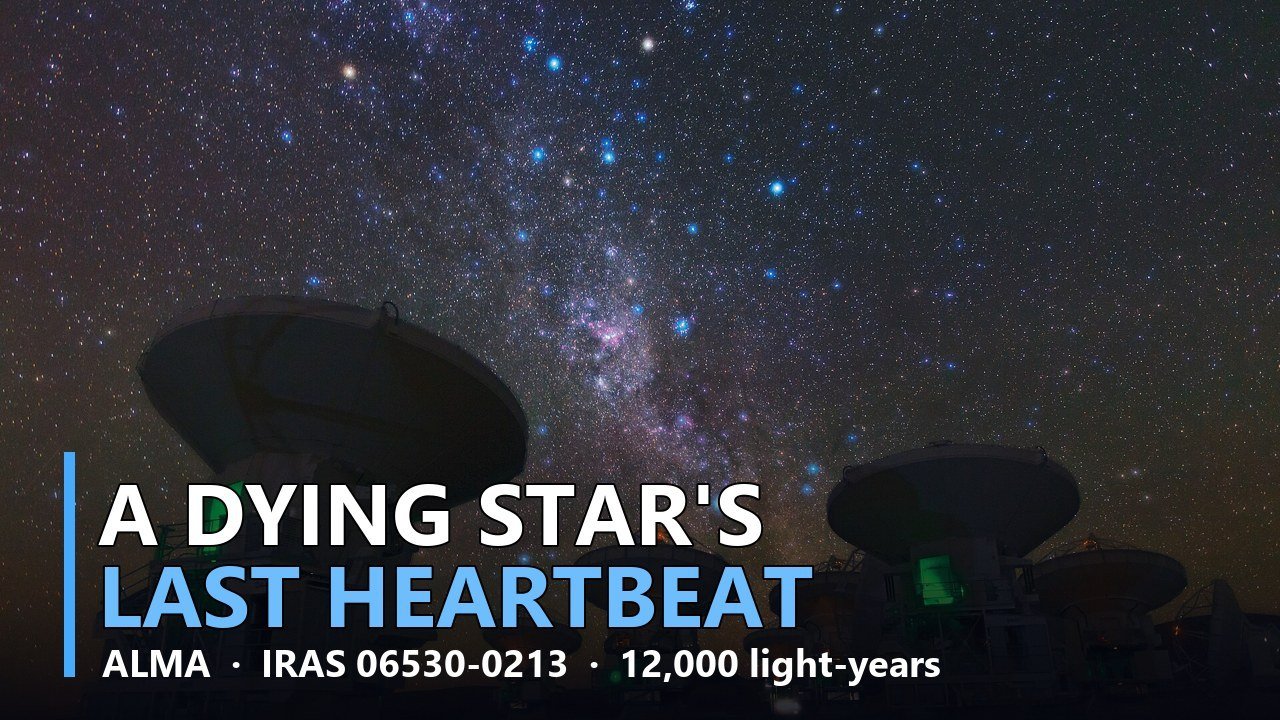
Astronomers used the ALMA radio telescope in Chile to see, for the first time, the “final nuclear heartbeat” of a dying star, frozen in a ring of gas, according to Space.com. The study appeared in The Astrophysical Journal.
What did they detect?
The star is IRAS 06530-0213, about 12,000 light-years away in the constellation Monoceros, moving from red giant to planetary nebula. The team, led by Raghvendra Sahai of NASA's Jet Propulsion Laboratory (JPL), found a giant ring of molecular gas half a light-year wide, ejected about 6,500 years ago. It would be the first direct evidence of the last thermal pulse of such a star.
What does it say about the Sun's future?
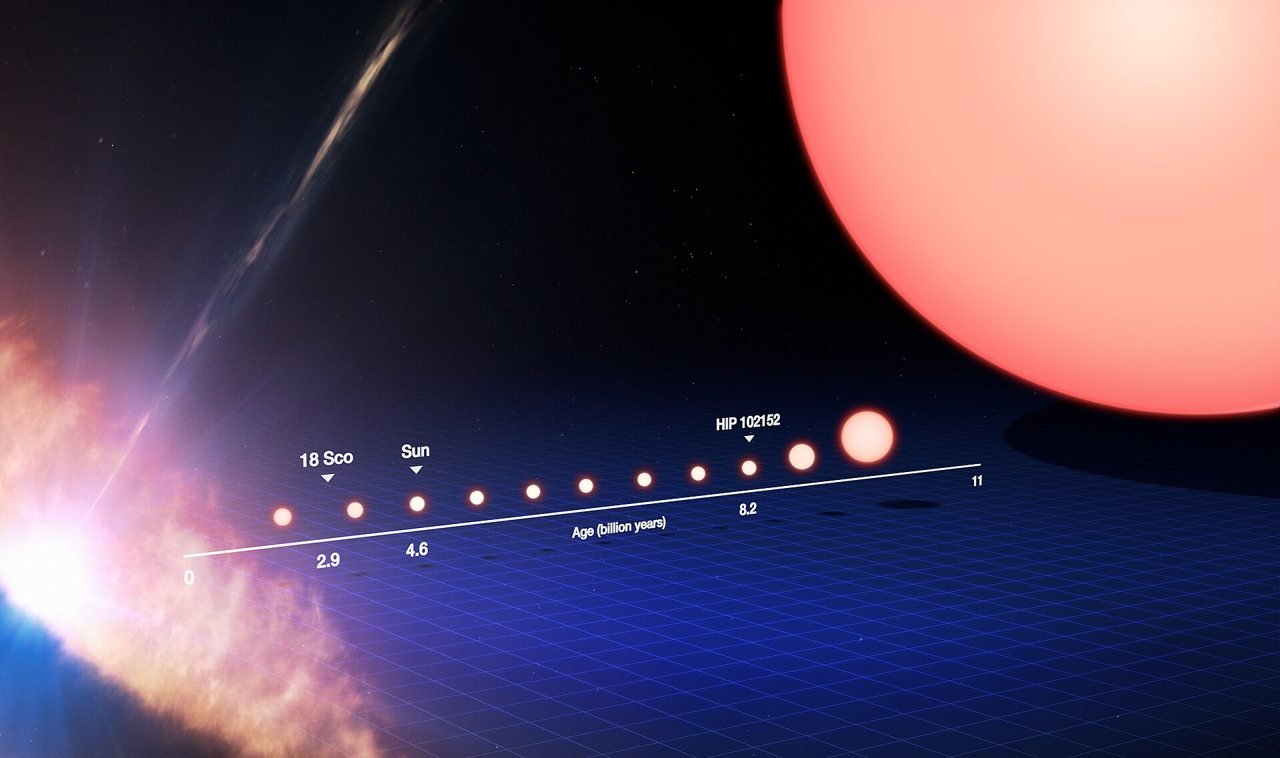
Sun-like stars end as red giants, shed their layers in pulses and become white dwarfs. The Sun's death is billions of years away, but these observations suggest it may differ from what was thought. Inside the ring, an hourglass-shaped nebula began forming about 700 years ago, very recently on a cosmic scale.
What is still unexplained?
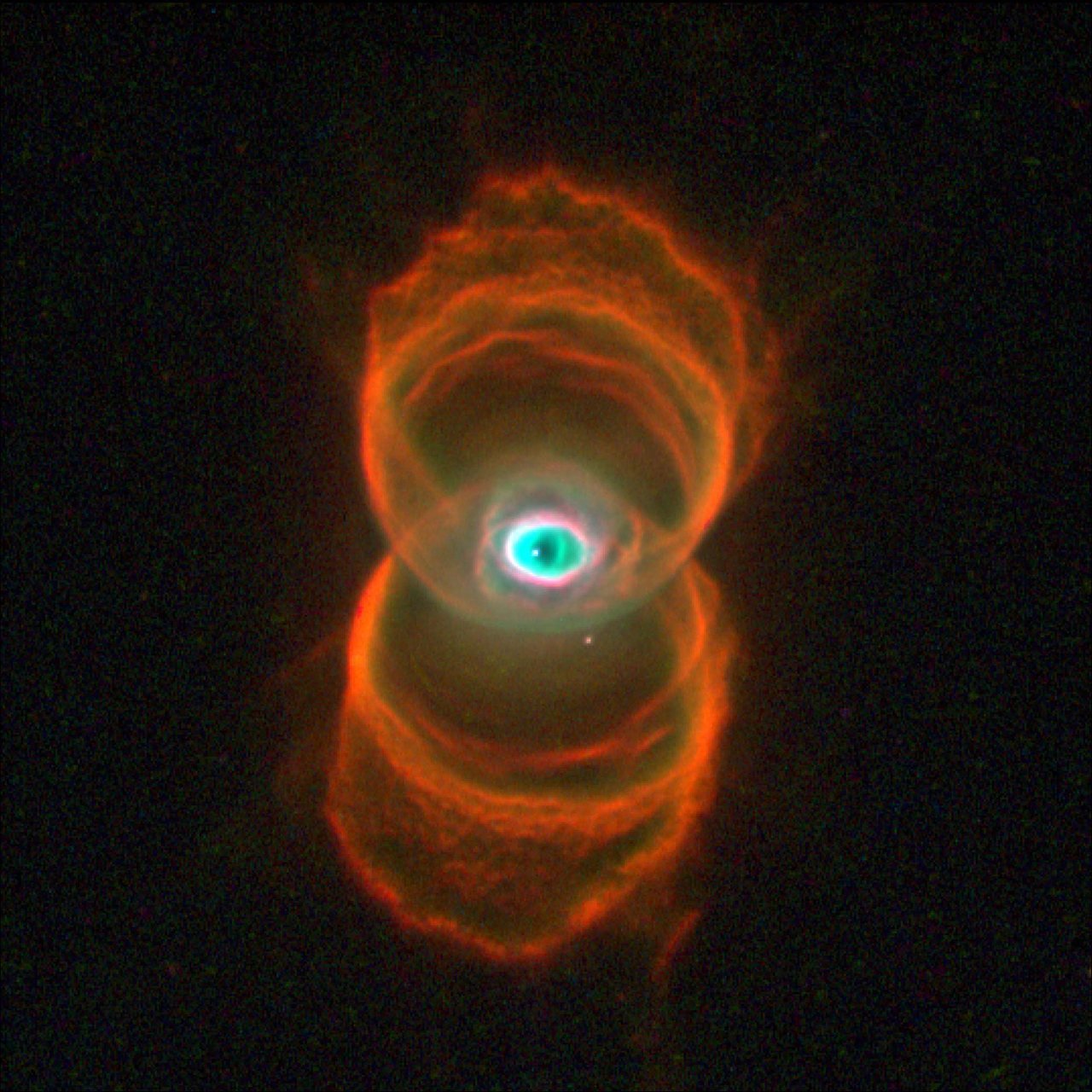
The authors found many heavy isotopes of carbon, oxygen and nitrogen that models cannot explain, and they did not see the dust disk expected with a companion. The gas spirals might betray an unseen companion star. This is a new result and will need confirmation with more observations. ALMA combines 66 antennas that pick up millimeter and submillimeter waves, which makes it possible to see the cold gas around stars like this one.
Share this story with an astronomy fan and tell us what surprised you. Keep reading: A star faking supernovae for 15 years: Chandra finds what makes it erupt · The Euclid telescope discovered its first comet without looking for one: C/2026 S1 · More science news.
Try these too
Keep reading

NASA's Dragonfly drone for Titan now has its seven cameras
NASA installed DragonCam, seven cameras that will be the eyes of the rotorcraft set to explore Titan, Saturn's moon. It launches in July 2028.
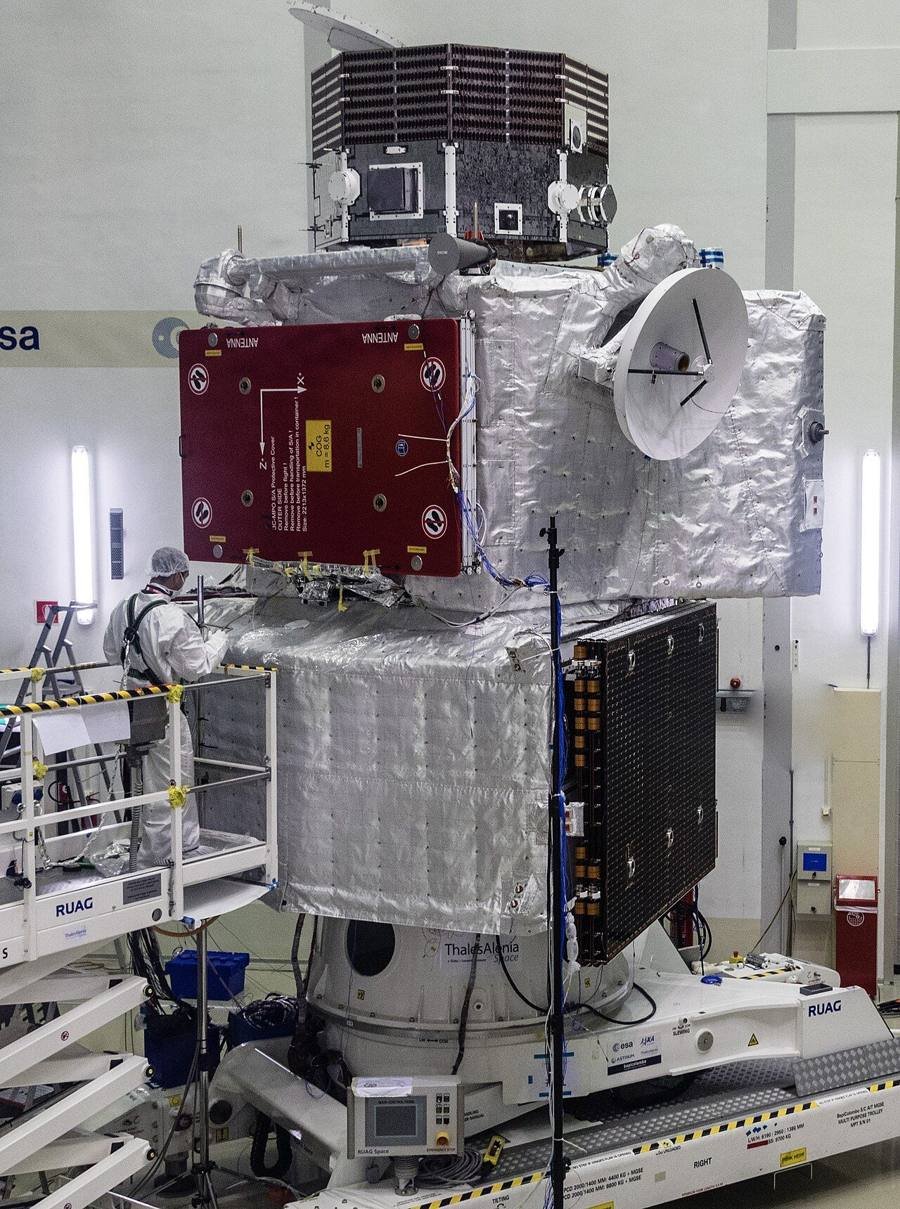
BepiColombo is now orbiting Mercury after an eight-year journey: only the second probe to do so
The ESA and JAXA mission fired its engines for 37 minutes on November 21 and entered orbit around the planet closest to the Sun. Science starts in April 2027.

Voyager 1 is now one light-day from Earth: the Empire State Building turned gold
NASA's probe, launched in 1977, reached 26 billion km on November 18: a signal now takes 24 hours to reach it. It is the first human-made object to do so.