BepiColombo is now orbiting Mercury after an eight-year journey: only the second probe to do so
In short: The ESA and JAXA mission fired its engines for 37 minutes on November 21 and entered orbit around the planet closest to the Sun. Science starts in April 2027.
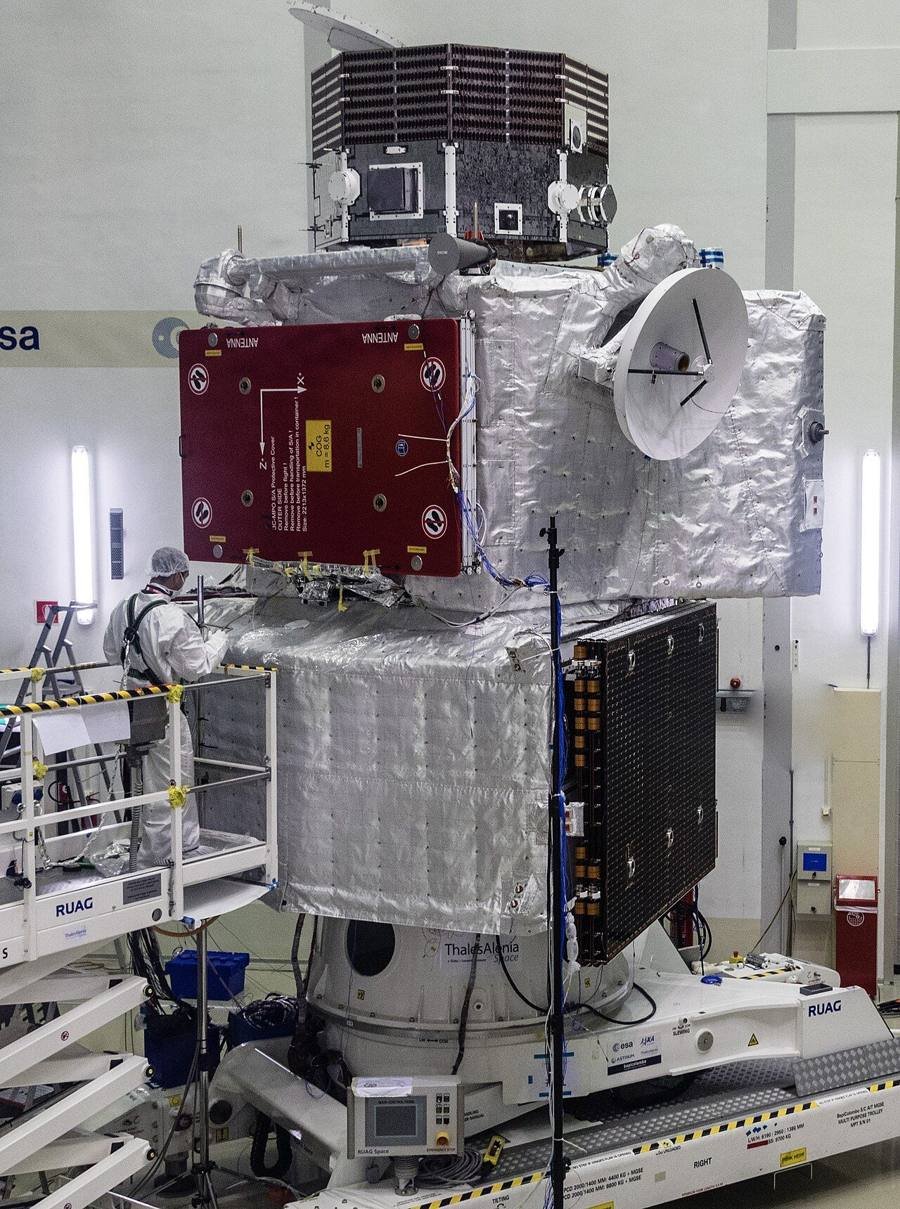
The European-Japanese BepiColombo mission entered orbit around Mercury on November 21, 2026, more than eight years after launch. It is only the second probe to do so, after NASA's MESSENGER. ESA and Space.com report it.
How did BepiColombo enter Mercury's orbit?
The probe fired its engines for 37 minutes, starting at 1:24 p.m. ET, to slow down and be captured by Mercury's weak gravity. According to Starlust, the probe flew the maneuver itself, because radio signals take minutes to arrive. ESA's flight dynamics team then confirmed the new orbit using tracking data.
Why did it take eight years to get there?
Mercury is hard to reach: it is so close to the Sun that probes arrive very fast and must shed a lot of energy to slow down. BepiColombo launched in October 2018 on an Ariane 5 rocket and followed a route with one Earth flyby, two of Venus and six of Mercury. A solar-panel problem added a year to the trip.
What comes next and what will it study?
The probe has two orbiters still joined, the MPO (ESA) and Mio (JAXA), which will separate around December 9. The MPO will reach its final polar orbit on March 10, 2027, and science work begins on April 6, 2027. It will study Mercury's iron core, its magnetic field and how it interacts with the solar wind.
Watch the video above and share this story with anyone who loves space. Keep reading: The Euclid telescope discovered its first comet without looking for one: C/2026 S1 · Voyager 1 is now one light-day from Earth: the Empire State Building turned gold · More science news.
Try these too
Keep reading

Voyager 1 is now one light-day from Earth: the Empire State Building turned gold
NASA's probe, launched in 1977, reached 26 billion km on November 18: a signal now takes 24 hours to reach it. It is the first human-made object to do so.
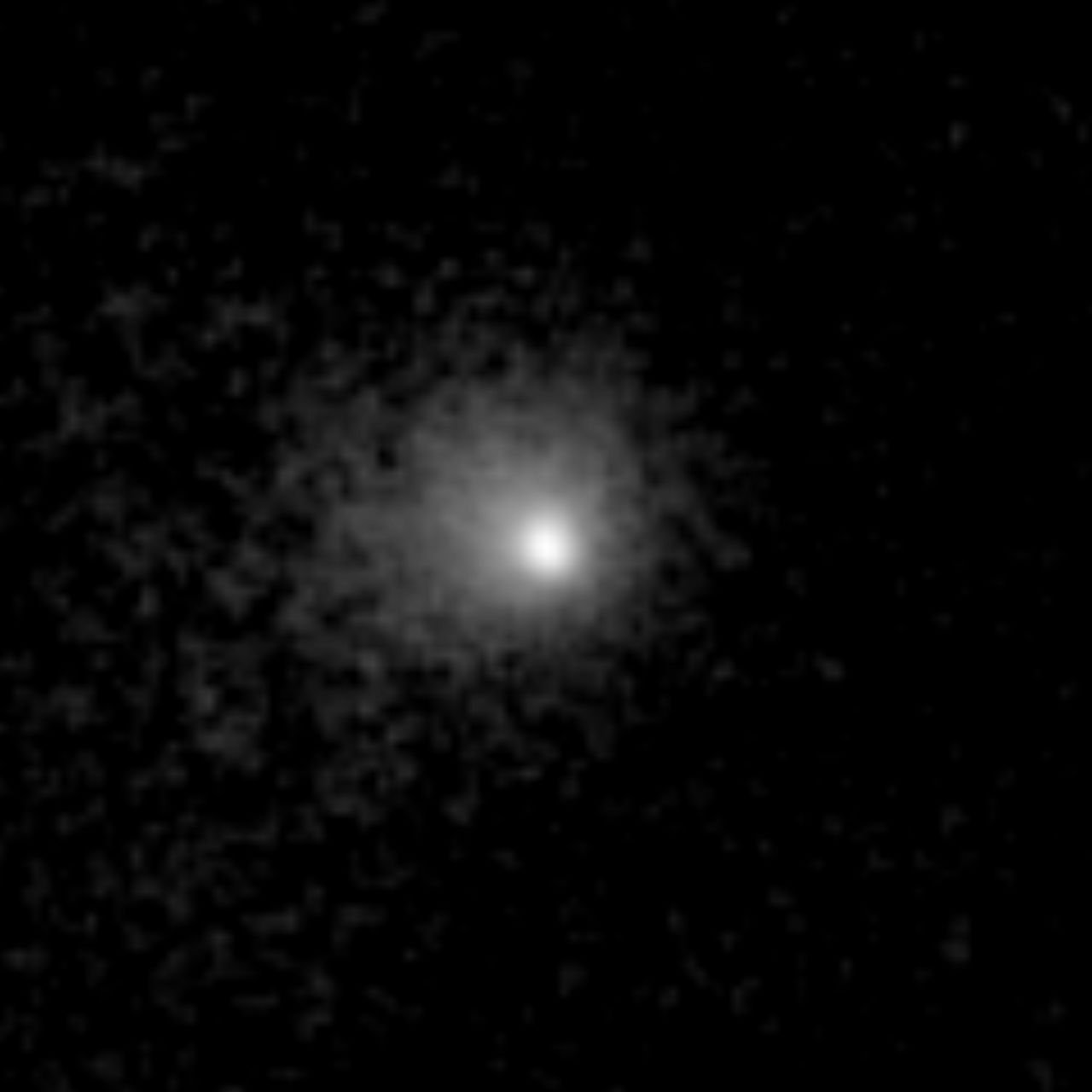
The Euclid telescope discovered its first comet without looking for one: C/2026 S1
Euclid, built to study dark matter, found a comet by chance 1.3 billion km from the Sun, on an orbit almost perpendicular to the planets'.
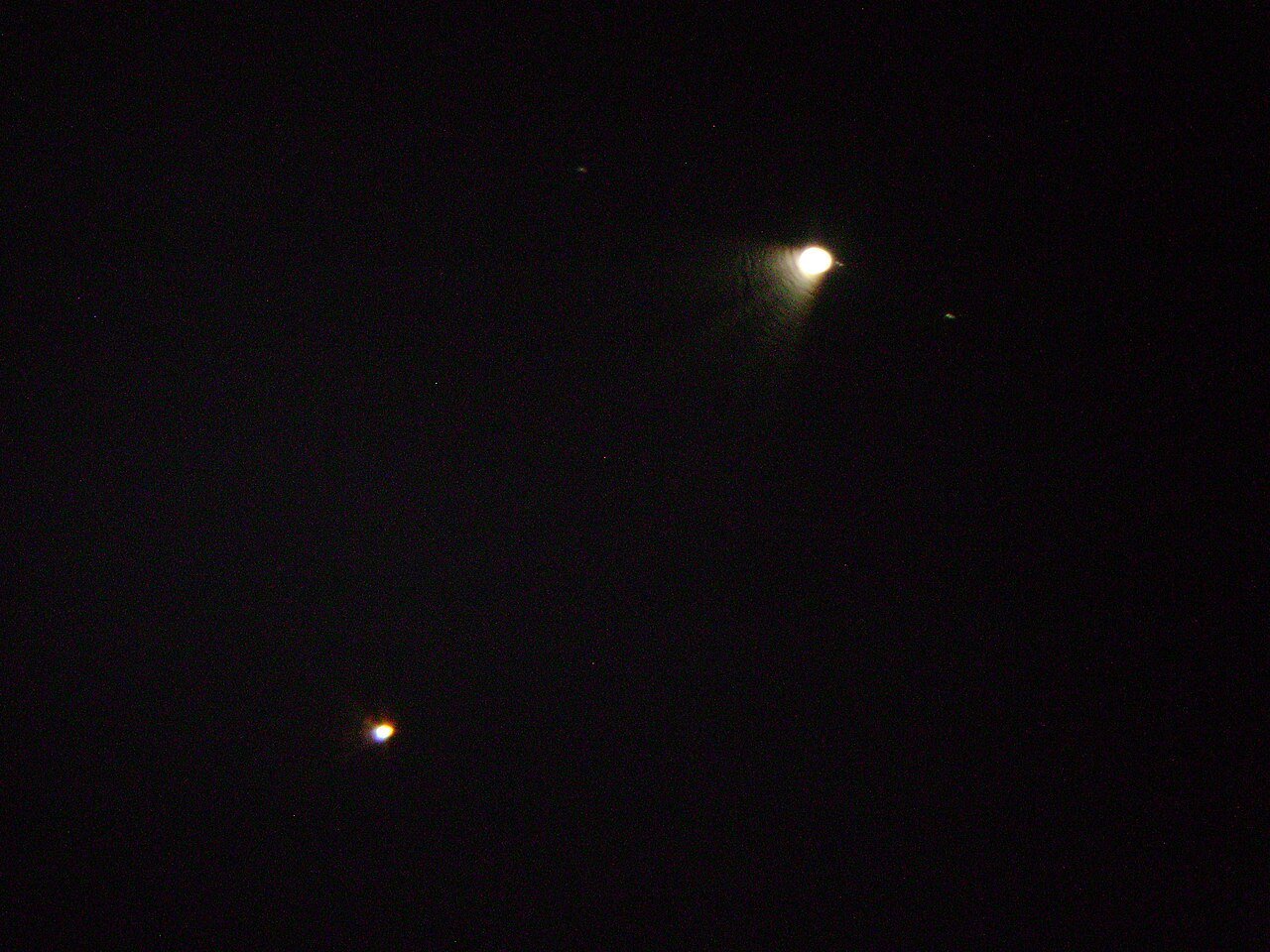
Mars and Jupiter almost touching on November 15-16: they won't look this close again until 2029
The two planets will sit just 1.2 degrees apart, about a finger's width, next to the star Regulus. When and where to look to see them without a telescope.