
NASA's Dragonfly drone for Titan now has its seven cameras
In short: NASA installed DragonCam, seven cameras that will be the eyes of the rotorcraft set to explore Titan, Saturn's moon. It launches in July 2028.
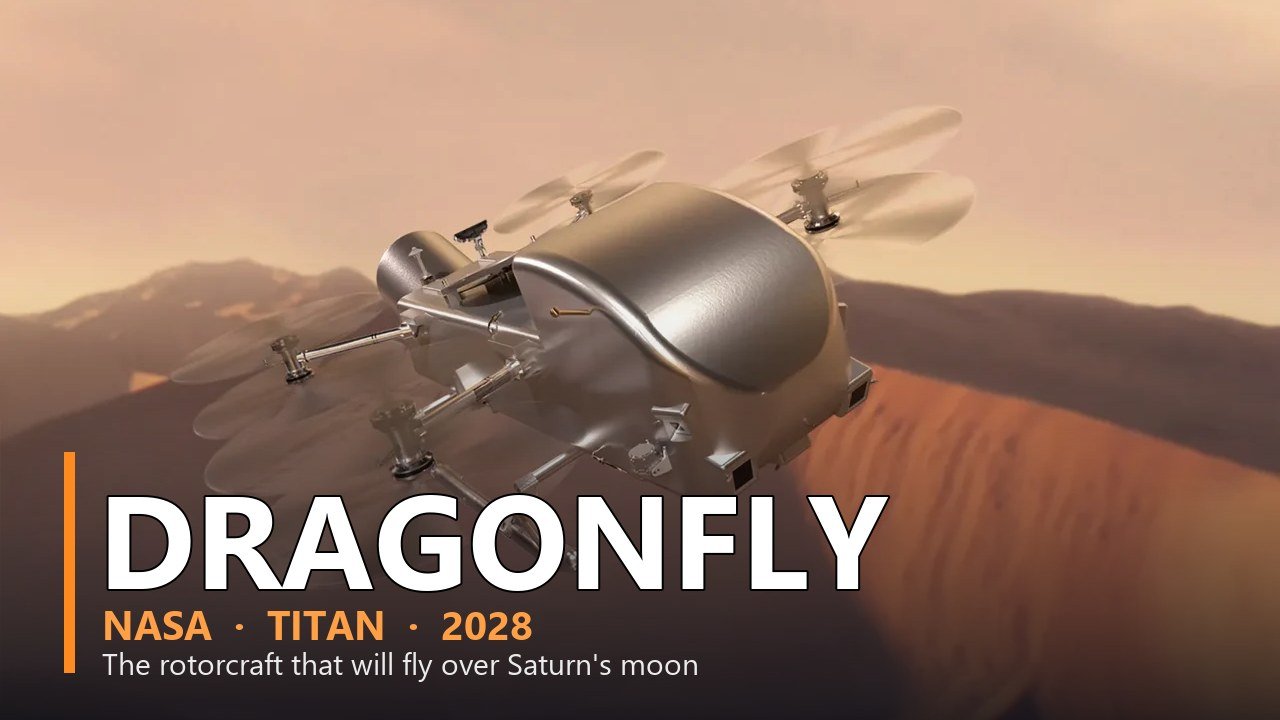
NASA has installed the seven science cameras of DragonCam on Dragonfly, its car-sized rotorcraft bound for Titan, according to the official release. They are now integrated at the APL lab in Maryland.
What is DragonCam?
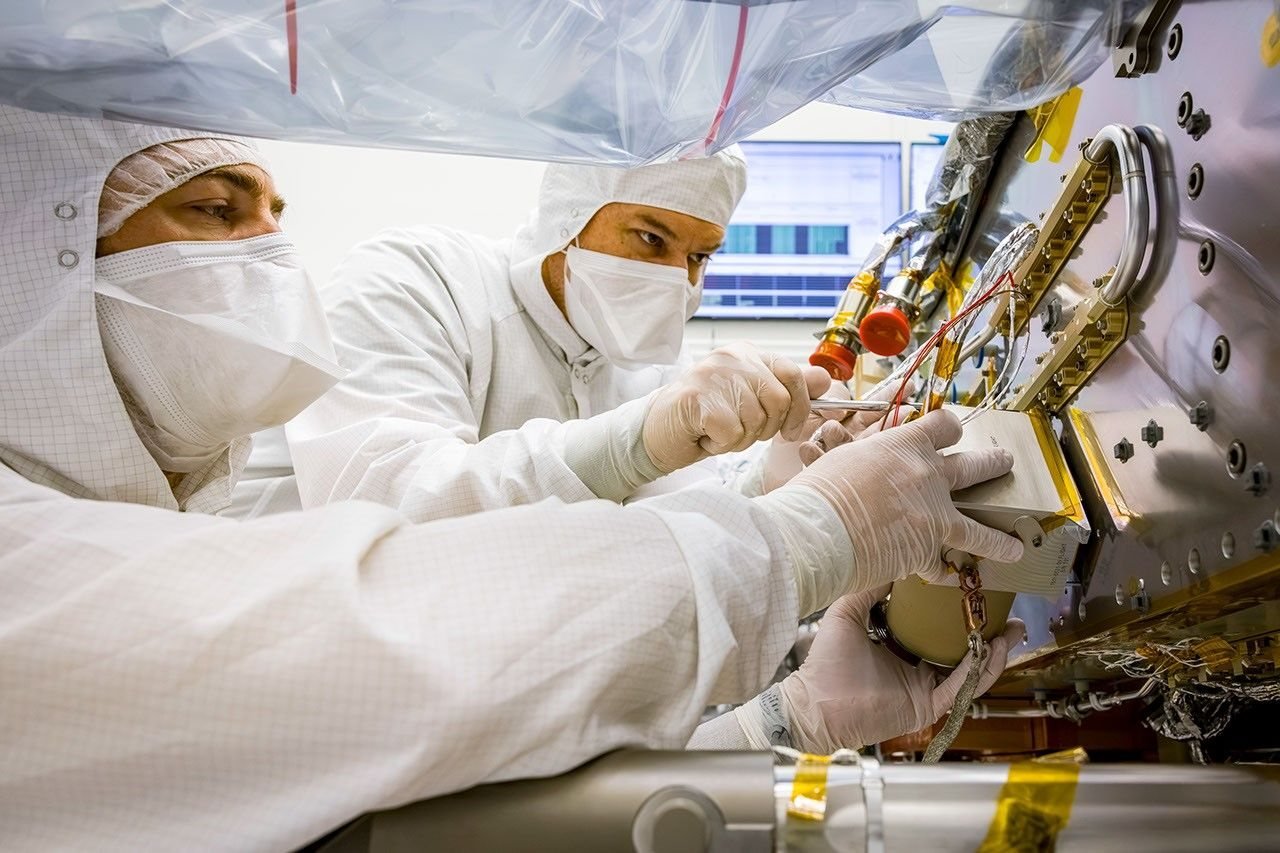
It is Dragonfly's camera system: seven cameras built by Malin Space Science Systems that will see Titan in flight and on the ground. Each looks out through a window in a foam enclosure that insulates it from Titan's cold, about minus 290 degrees Fahrenheit. The craft also has two navigation cameras.
What will those cameras see?
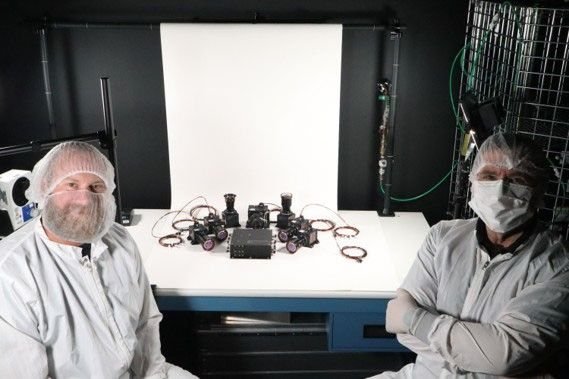
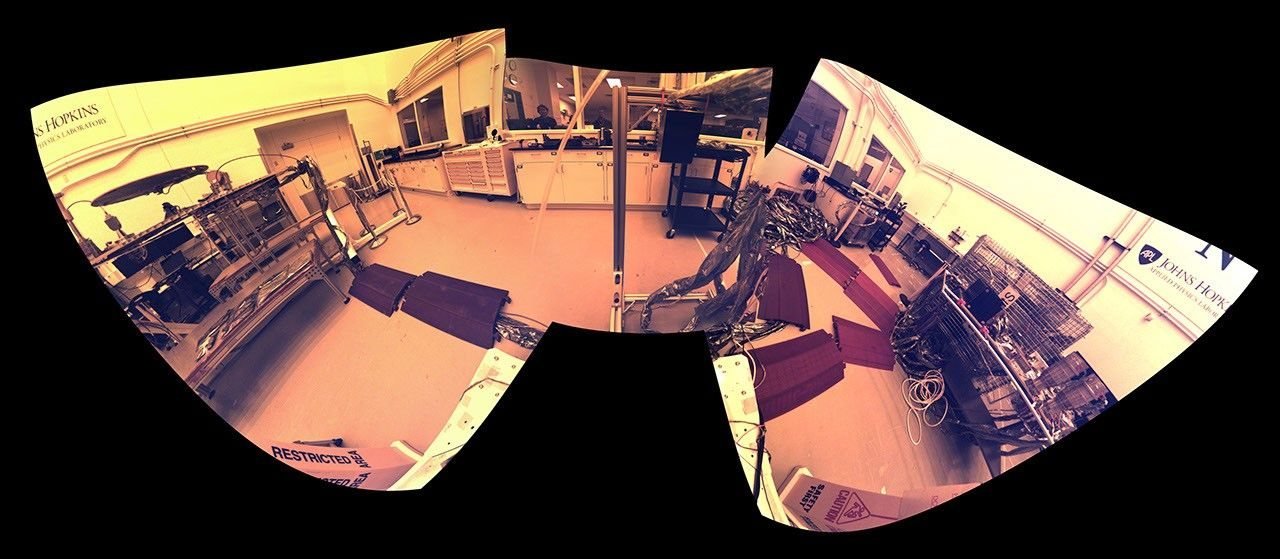
Two forward cameras (wide and medium angle) give a stereo view of the terrain, and two side cameras allow panoramas. Two downward cameras help decide whether a spot is safe to land and sample, and a microscope will photograph millimeter-sized sand grains. An LED array spanning infrared to ultraviolet will reveal surface color and perhaps organic molecules that glow during Titan's long night of nearly eight Earth days.
When does Dragonfly reach Titan?
The other instruments are still to come: a mass spectrometer, a gamma-ray and neutron spectrometer, geophysics and weather sensors, and the sampling drill. The mission, described on Wikipedia, launches in July 2028 and reaches Titan in late 2034.
Share this story with a space fan and tell us what you hope to see on Titan. Keep reading: BepiColombo is now orbiting Mercury after an eight-year journey: only the second probe to do so · Voyager 1 is now one light-day from Earth: the Empire State Building turned gold · More science news.
Try these too
Keep reading
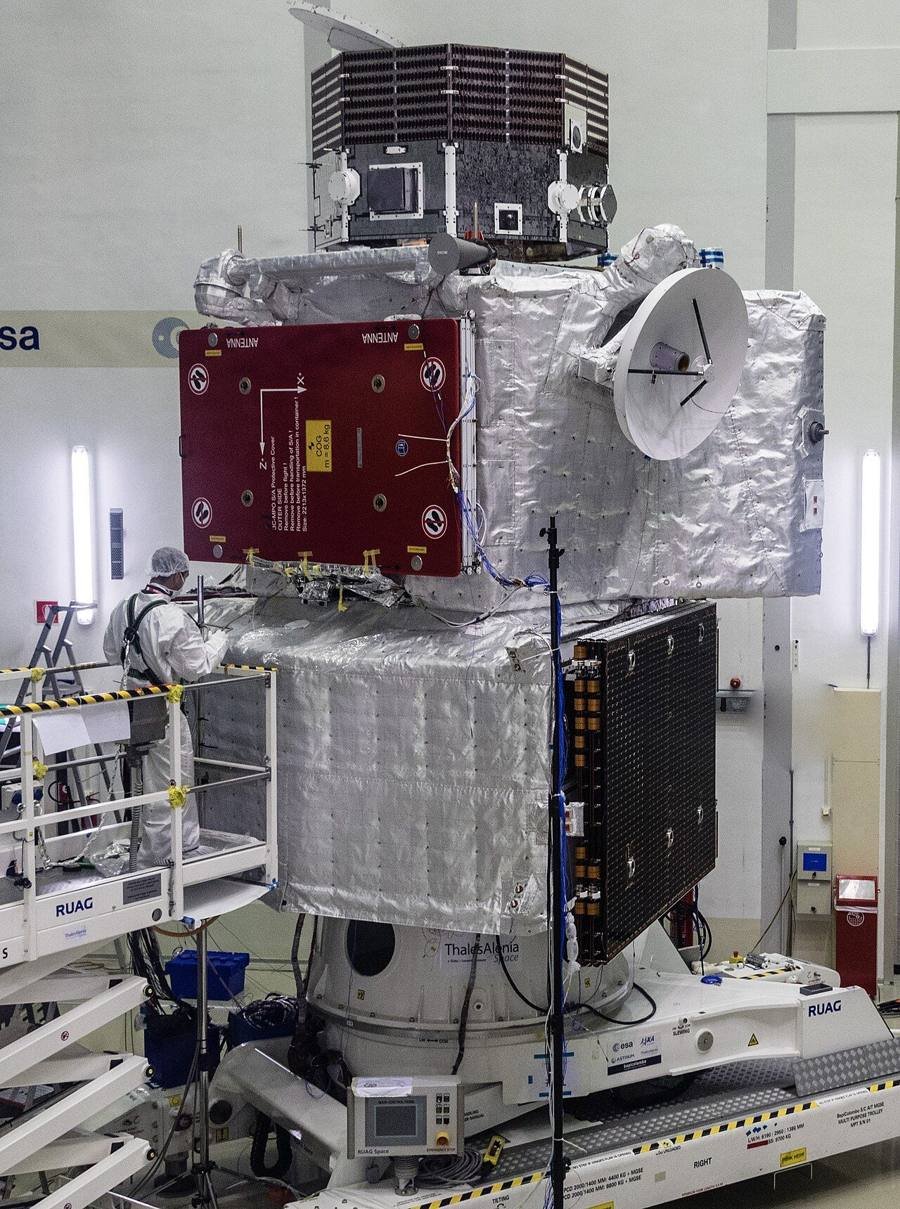
BepiColombo is now orbiting Mercury after an eight-year journey: only the second probe to do so
The ESA and JAXA mission fired its engines for 37 minutes on November 21 and entered orbit around the planet closest to the Sun. Science starts in April 2027.

Voyager 1 is now one light-day from Earth: the Empire State Building turned gold
NASA's probe, launched in 1977, reached 26 billion km on November 18: a signal now takes 24 hours to reach it. It is the first human-made object to do so.
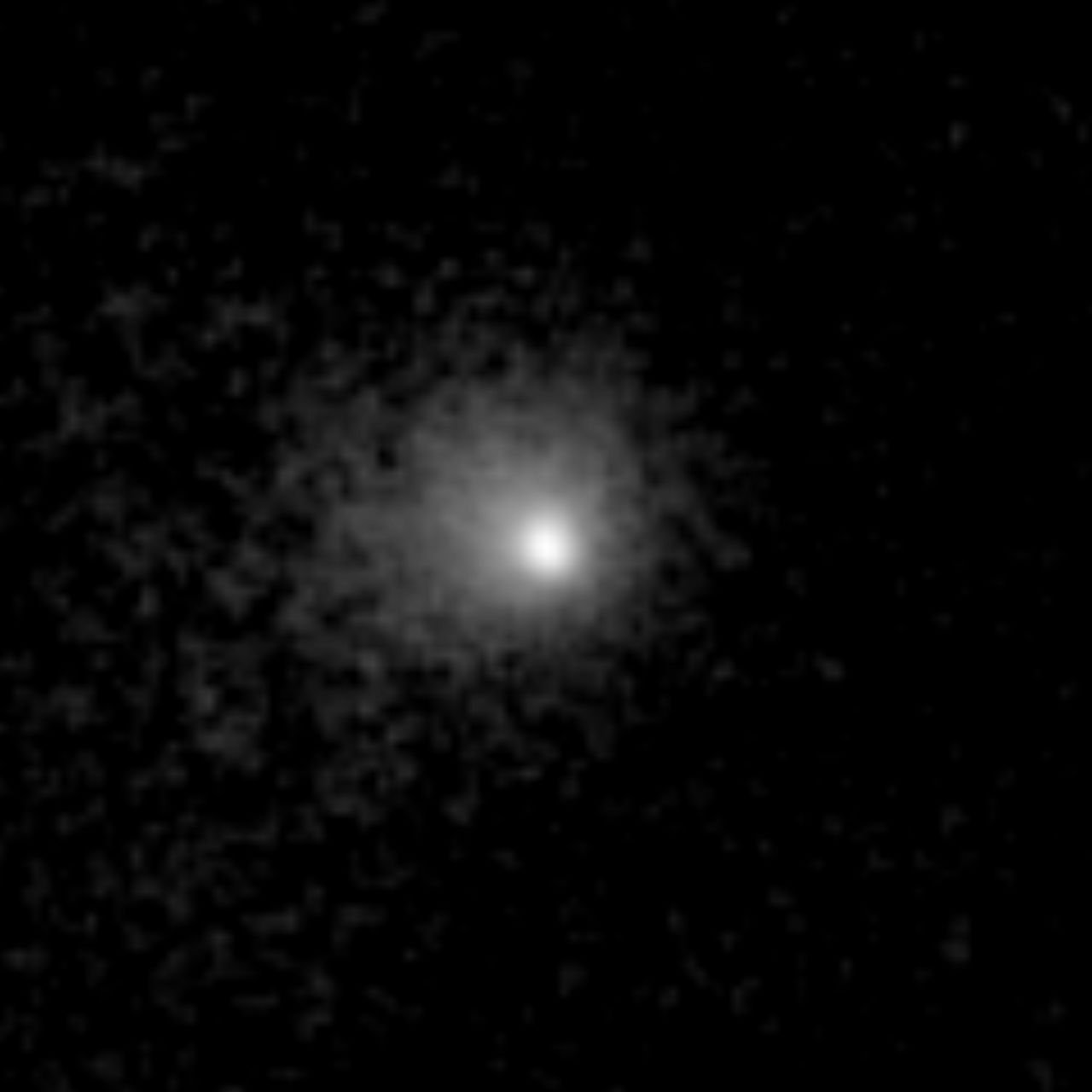
The Euclid telescope discovered its first comet without looking for one: C/2026 S1
Euclid, built to study dark matter, found a comet by chance 1.3 billion km from the Sun, on an orbit almost perpendicular to the planets'.