
The Euclid telescope discovered its first comet without looking for one: C/2026 S1
In short: Euclid, built to study dark matter, found a comet by chance 1.3 billion km from the Sun, on an orbit almost perpendicular to the planets'.
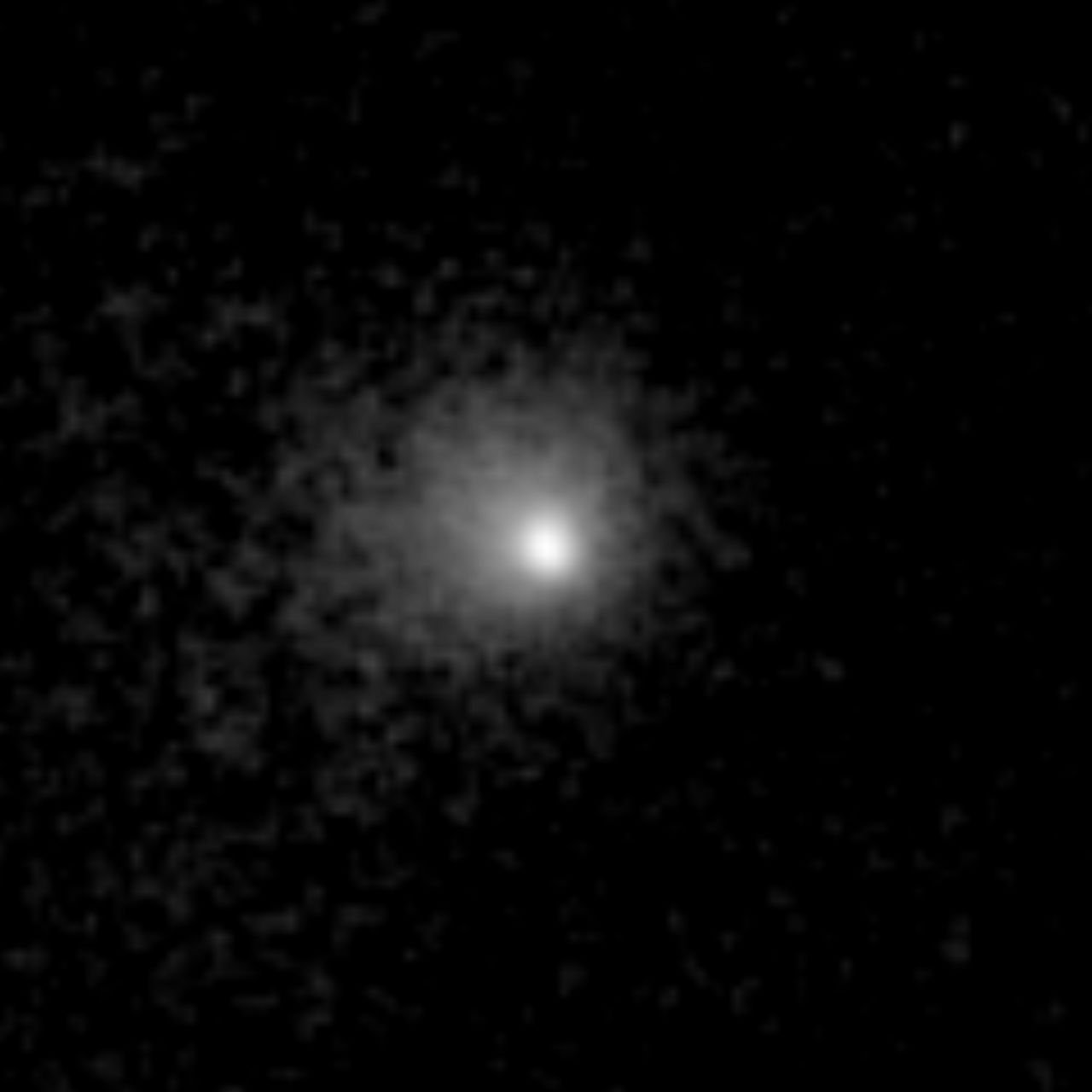
The European Space Agency's Euclid space telescope discovered its first comet, C/2026 S1 (Euclid), even though it was not designed to look for them. Sky at Night and Space.com report it.
How was comet C/2026 S1 discovered?
Euclid captured it between September 16 and 24, 2026. Mikko Pöntinen, a PhD student at the University of Helsinki, saw his software flag a “streak” across several images: a fast-moving object. He found it in five sets of images and noticed a fuzzy cloud, a sign of a comet shedding dust and gas. He reported it to the Minor Planet Center, and after follow-up observations by ground-based astronomers it was officially recognized on October 8.
Where is it, and can it be seen?
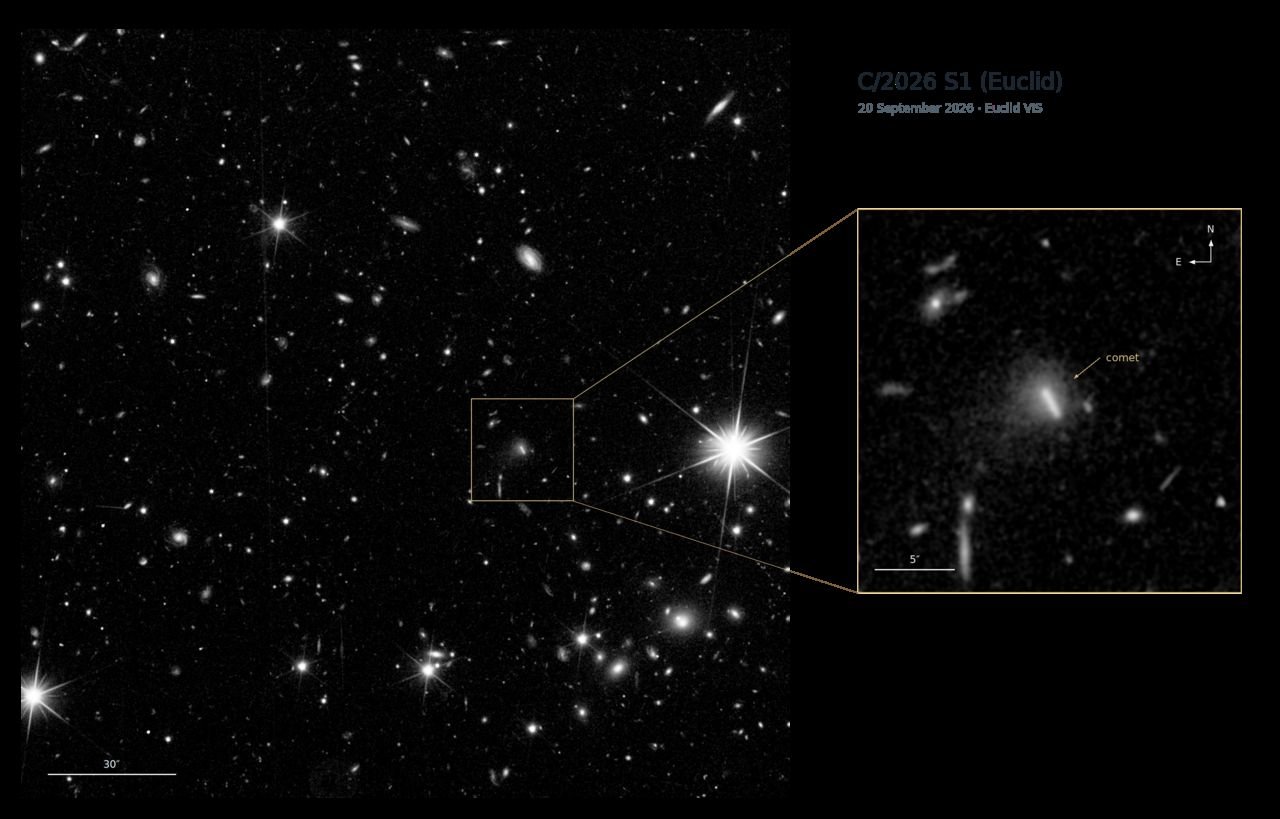
It is in the constellation Draco and is too faint for amateur telescopes. It lies about 1.3 billion km from the Sun. Its orbit is almost perpendicular to the planets' orbits and its period is measured in thousands of years, so this is probably the first time it has been seen since telescopes were invented.
Why does it matter that Euclid finds comets?
Euclid was built to study dark matter and dark energy, not comets. Around 40 to 50 new comets are found each year. This find shows that Euclid can detect distant comets and that the astronomy community can confirm them within days. According to Sky at Night, that could help pick a target for Comet Interceptor, ESA's mission to study a long-period comet.
Watch the video above and share this story with anyone who loves space. Keep reading: Voyager 1 is about to reach one light-day from Earth: no human-made object has ever been this far · Mars and Jupiter almost touching on November 15-16: they won't look this close again until 2029 · More science news.
🤖 Watch this story on video with BOT-MBTECNIC
Enjoyed it? Follow BOT-MBTECNIC: one gaming and tech story on video every day.
Try these too
Keep reading
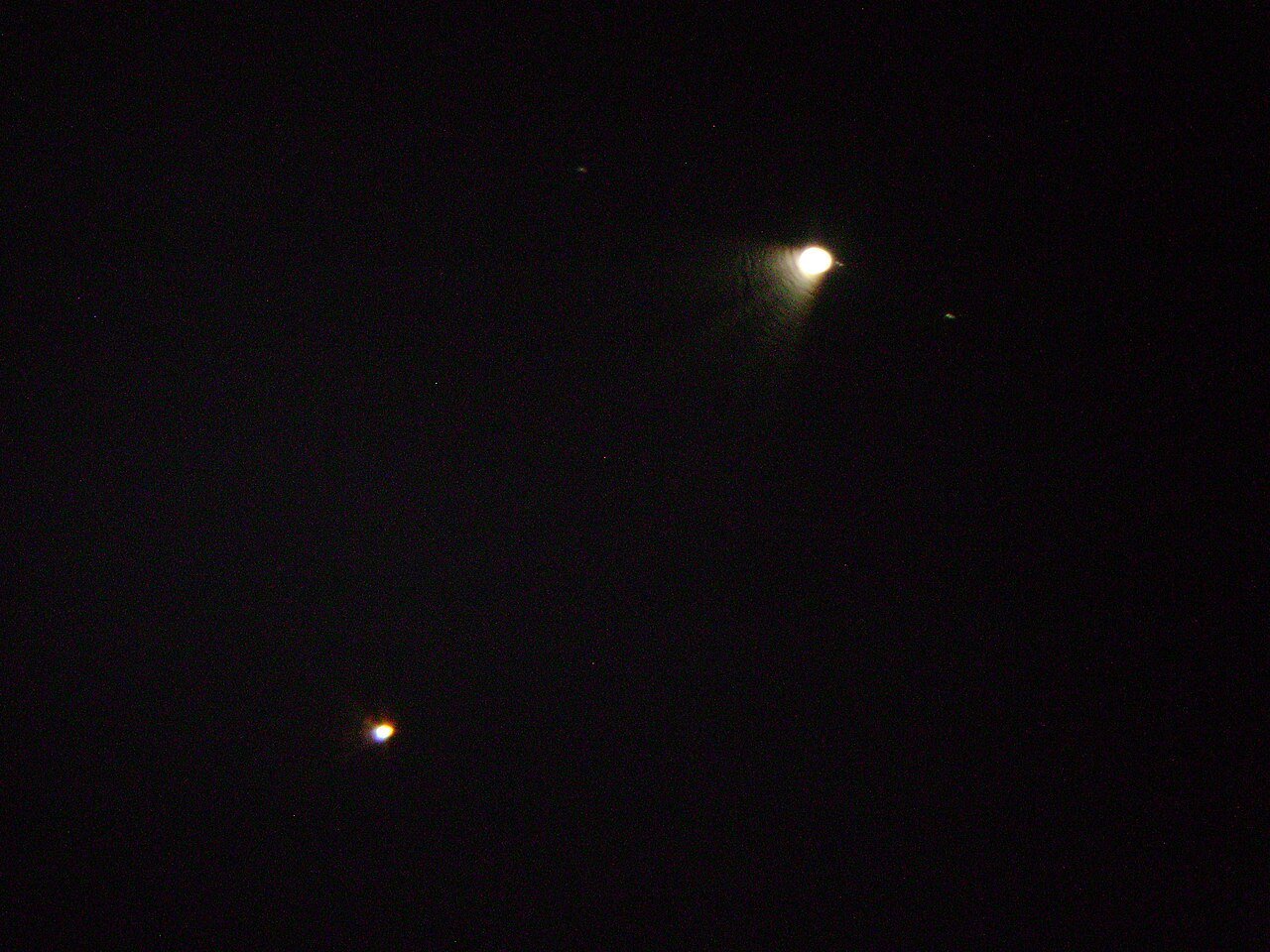
Mars and Jupiter almost touching on November 15-16: they won't look this close again until 2029
The two planets will sit just 1.2 degrees apart, about a finger's width, next to the star Regulus. When and where to look to see them without a telescope.
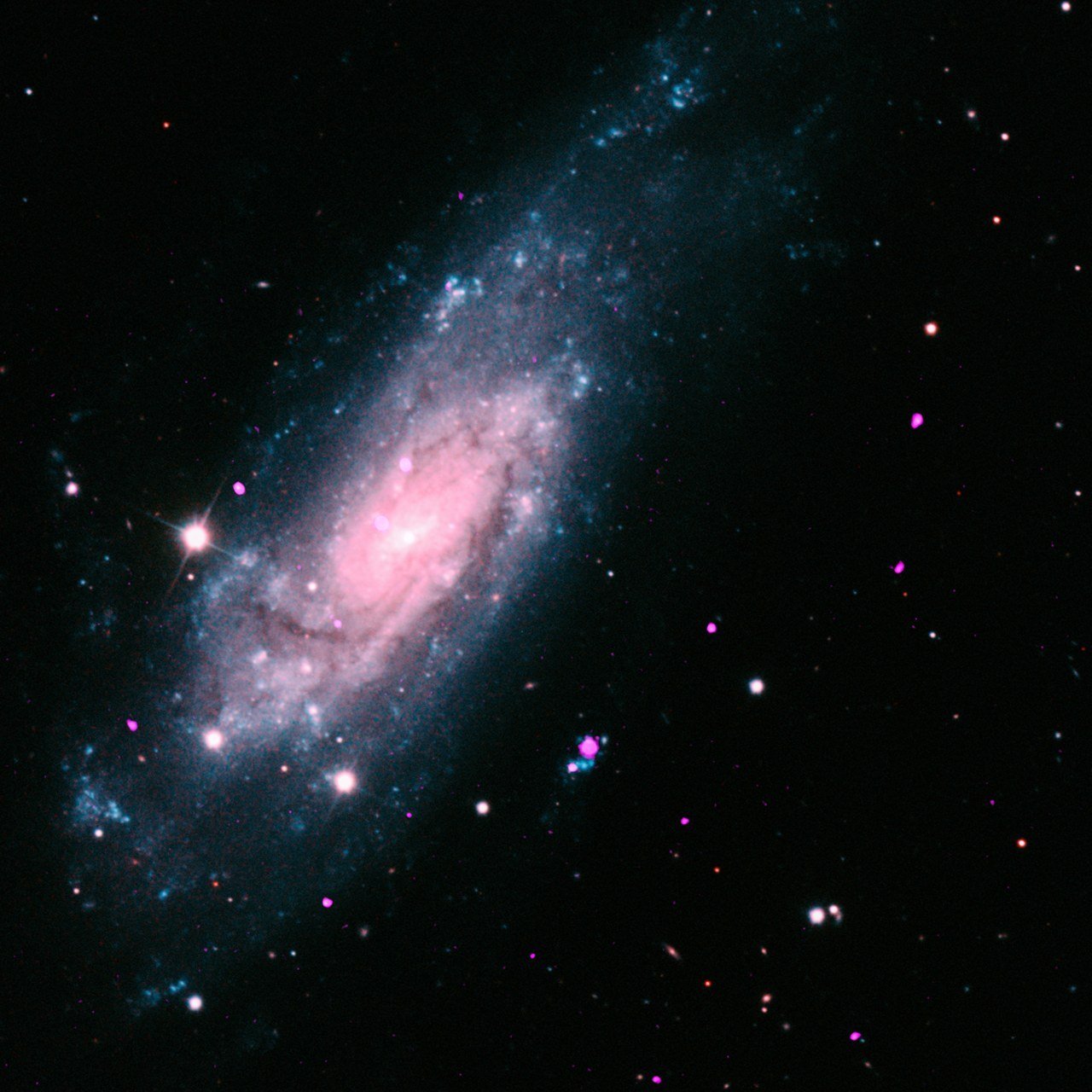
A star faking supernovae for 15 years: Chandra finds what makes it erupt
An invisible companion, a black hole or a neutron star, strips material from an unstable star every 113 days, causing flares as bright as a supernova.
NASA's Swift telescope is about to fall to Earth: where it could land and which parts might survive
After 22 years and a failed rescue, the observatory will reenter the atmosphere uncontrolled in the coming days.