
Mars and Jupiter almost touching on November 15-16: they won't look this close again until 2029
In short: The two planets will sit just 1.2 degrees apart, about a finger's width, next to the star Regulus. When and where to look to see them without a telescope.
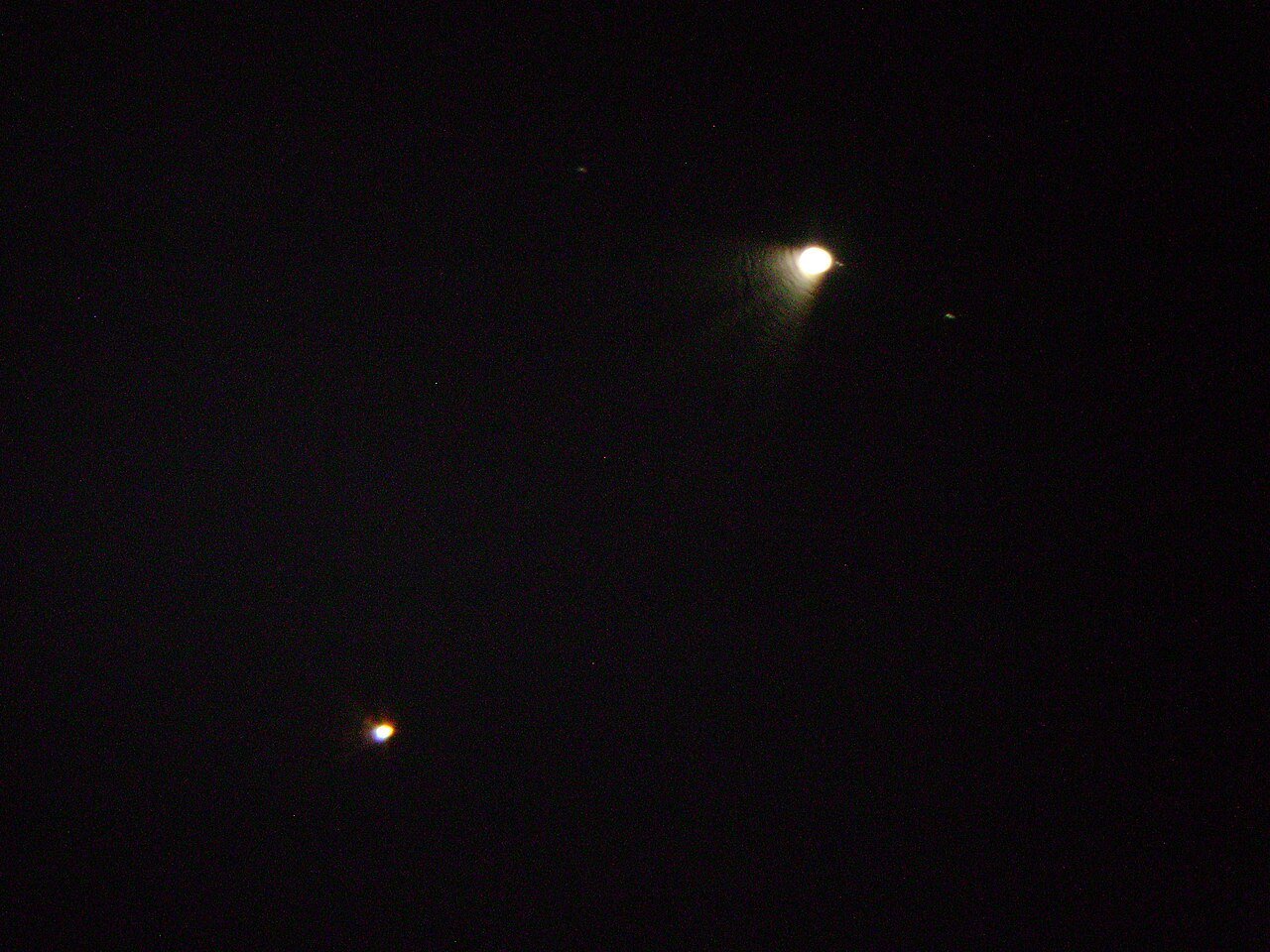
Mars and Jupiter will appear almost side by side in the sky on the night of November 15-16, 2026, just 1.2 degrees apart, roughly a finger's width at arm's length. According to NASA, it is one of the highlights of the month, and the pair won't be this close again until July 2029.
When and where can you see Mars and Jupiter together?
The meeting takes place in the constellation Leo, just above Regulus, its brightest star. In the Northern Hemisphere the pair rises in the east around midnight; NASA suggests looking southeast before sunrise.
In the Southern Hemisphere they rise in the east-northeast around 2 a.m. local time and are best seen between about 3:30 and 5 a.m., low in the northeast, before dawn.
No telescope needed. Jupiter is the very bright white dot; Mars is the orange dot beside it, a little fainter. Find a spot with a clear horizon, away from city lights.
Are they really that close?
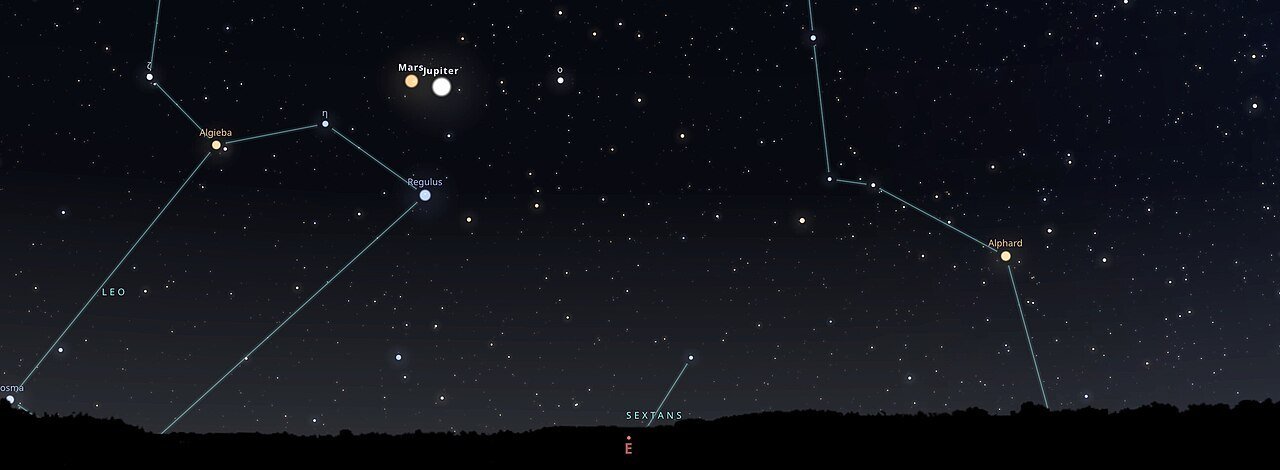
No. It's a trick of perspective: the two planets are actually more than 592 million kilometers (368 million miles) apart, and the light from Regulus takes about 79 years to reach us. Astronomers call this apparent meeting a conjunction (or appulse). For Mars and Jupiter it happens every 2 to 2.5 years, when Mars catches up with Jupiter as seen from Earth.
What can you see with binoculars or a telescope?
Binoculars already show Jupiter's large moons as tiny dots in a line. A 6-inch telescope reveals Jupiter's cloud bands and the ochre disk of Mars, with dark patches where wind has swept away the red dust. Because both planets orbit farther from the Sun than Earth, they always look 'full', with no phases.
There's more: according to NASA, the Leonid meteor shower peaks before dawn on November 17 and 18, in the same part of the sky.
Watch the NASA video above (Mars and Jupiter appear at 1:11) and share this story with anyone who wants to look up tonight. Keep reading: Voyager 1 is about to reach one light-day from Earth: no human-made object has ever been this far · Perseverance breaks the record: no vehicle has driven farther on another world · More science news.
🤖 Watch this story on video with BOT-MBTECNIC
Enjoyed it? Follow BOT-MBTECNIC: one gaming and tech story on video every day.
Try these too
Keep reading
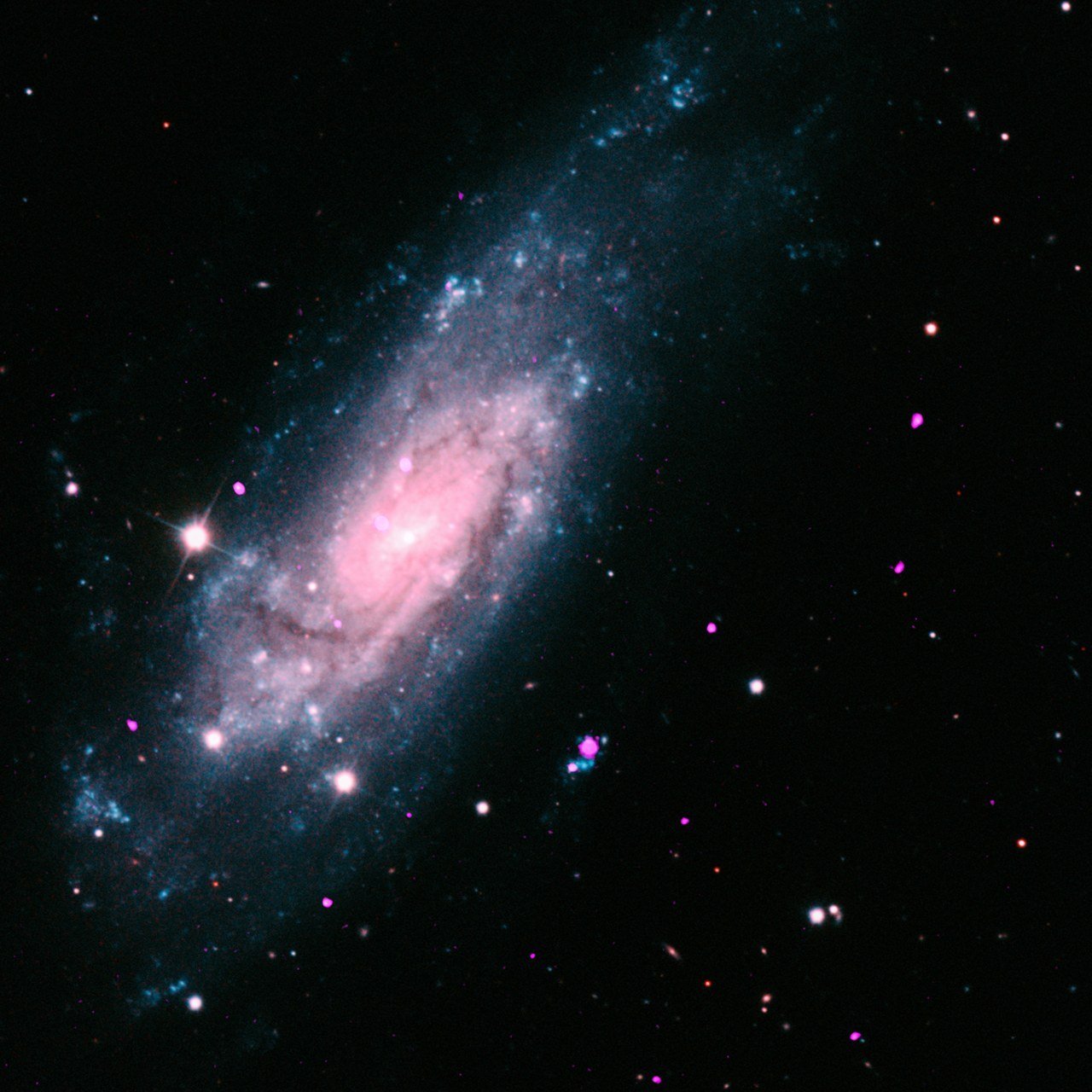
A star faking supernovae for 15 years: Chandra finds what makes it erupt
An invisible companion, a black hole or a neutron star, strips material from an unstable star every 113 days, causing flares as bright as a supernova.
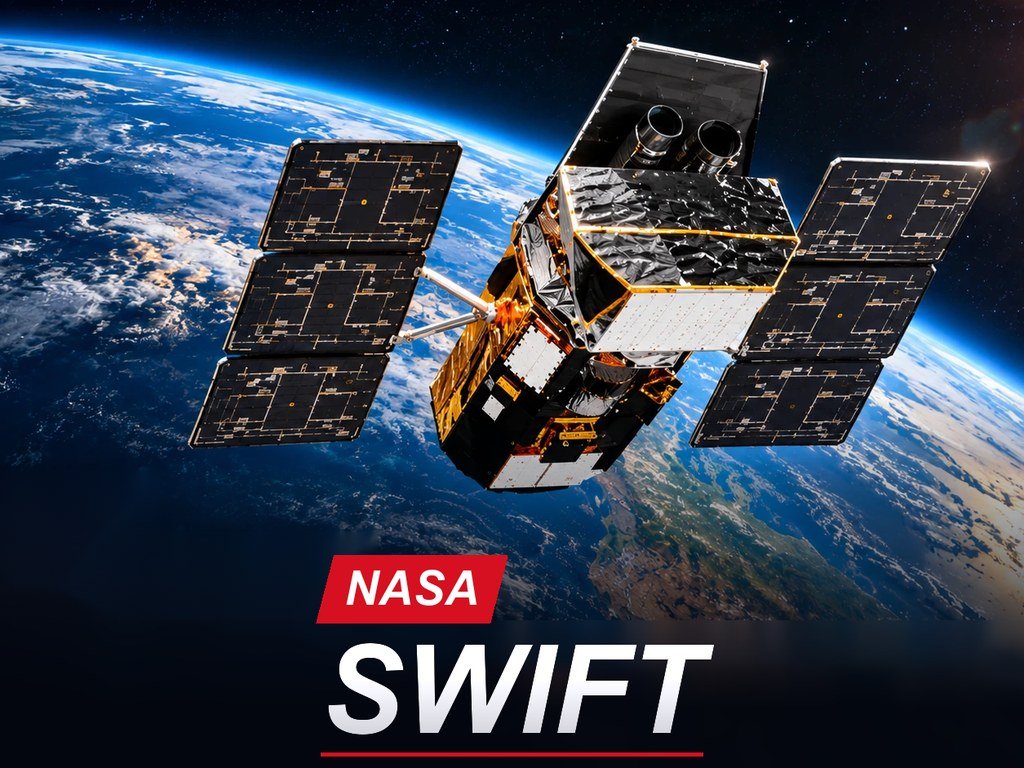
NASA's Swift telescope is about to fall to Earth: where it could land and which parts might survive
After 22 years and a failed rescue, the observatory will reenter the atmosphere uncontrolled in the coming days.
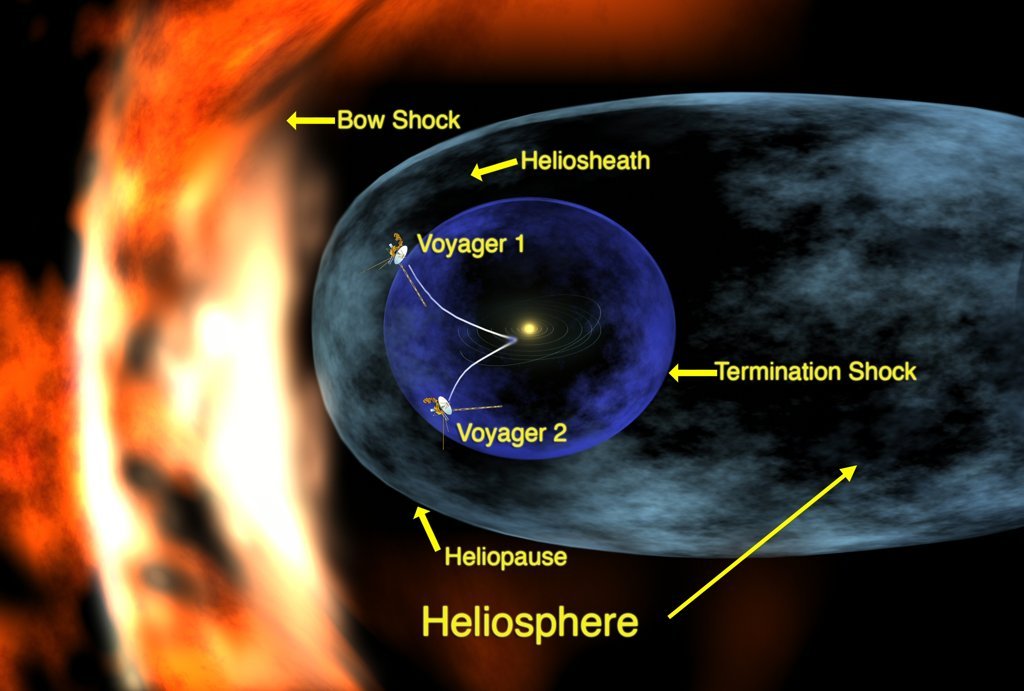
Voyager 1 is about to reach one light-day from Earth: no human-made object has ever been this far
NASA's probe, launched in 1977, will pass 26 billion kilometers (16 billion miles) on November 18, 2026.