NASA's Swift telescope is about to fall to Earth: where it could land and which parts might survive
In short: After 22 years and a failed rescue, the observatory will reenter the atmosphere uncontrolled in the coming days.
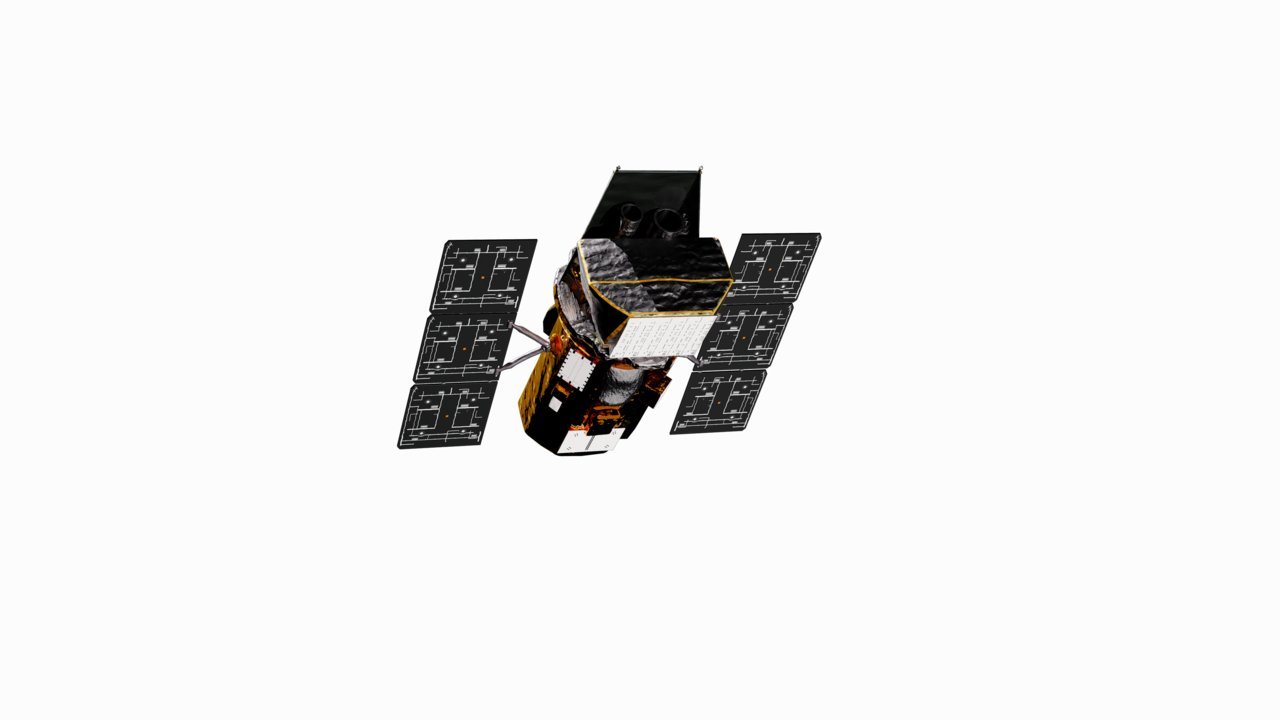
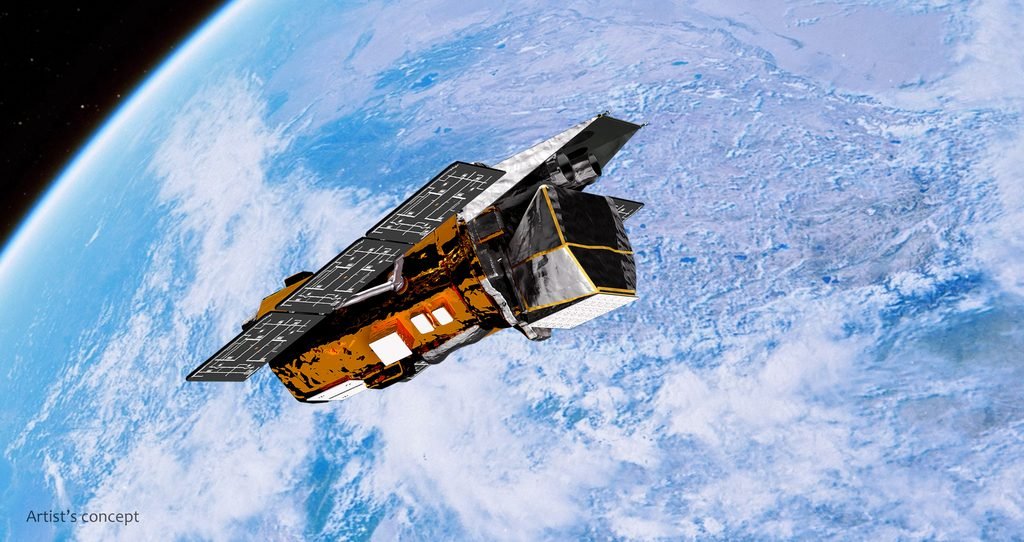
NASA's Neil Gehrels Swift Observatory will reenter Earth's atmosphere in the coming days, and it will do so uncontrolled. A private rescue mission that aimed to boost it to a higher orbit failed to save it.
A mission of more than 20 years
Swift reached orbit in November 2004 and spent two decades studying gamma-ray bursts, the most powerful explosions in the universe, with three telescopes: a burst alert telescope, an X-ray telescope and an ultraviolet/optical telescope.
On October 20 NASA reported that its orbit had dropped to 275 kilometers (171 miles) and that the roughly 1,500-kilogram observatory could no longer compensate for atmospheric drag. The team at Pennsylvania State University then ended its operations.
Where it could fall
The exact spot is still unknown. Swift's orbit only passes over a band about 21 degrees either side of the equator: mostly ocean, though it also crosses populated parts of Africa, South and Southeast Asia and Latin America.
Which parts could reach the ground
Most of the spacecraft is aluminum, wiring and electronics, which melt early. According to aerospace engineer Dean Sladen, the likeliest survivors are its six heavy reaction wheels and tougher telescope parts such as lenses and mirrors. Its mask of around 52,000 tiny lead tiles will almost certainly melt.
NASA requires the risk of injuring anyone with debris to stay below 1 in 10,000, and both the agency and the company LeoLabs say the risk is very small: nearly everything will burn up, and what remains will most likely fall into the sea.
At MBTECNIC we love engineering that lasts: Swift worked for 22 years when it was designed for two. That is what we aim for with every device we repair.