Voyager 1 is about to reach one light-day from Earth: no human-made object has ever been this far
NASA's probe, launched in 1977, will pass 26 billion kilometers (16 billion miles) on November 18, 2026.
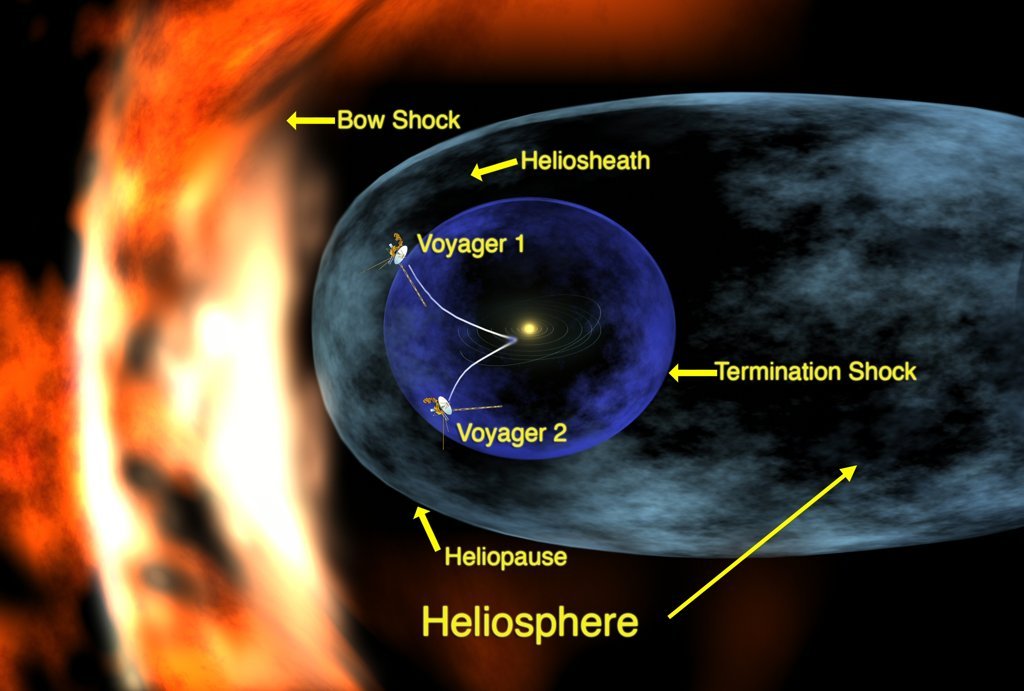
Voyager 1, the probe NASA launched in 1977, is about to do something no human-made object has done: reach a distance of one light-day from Earth. According to the agency, it will happen on November 18, 2026 at 5:16 a.m. EST, and NASA has already posted a countdown clock.
What a light-day means
A light-day is not a length of time but a distance: how far light travels in 24 hours. At about 300,000 kilometers per second, that is roughly 26 billion kilometers. For reference, the Moon is 384,400 kilometers away and the Sun 149.6 million.
That means a command sent from Earth takes almost a day to reach the spacecraft, and the reply takes another day: a full exchange lasts around two days.
Fixing something 26 billion kilometers away
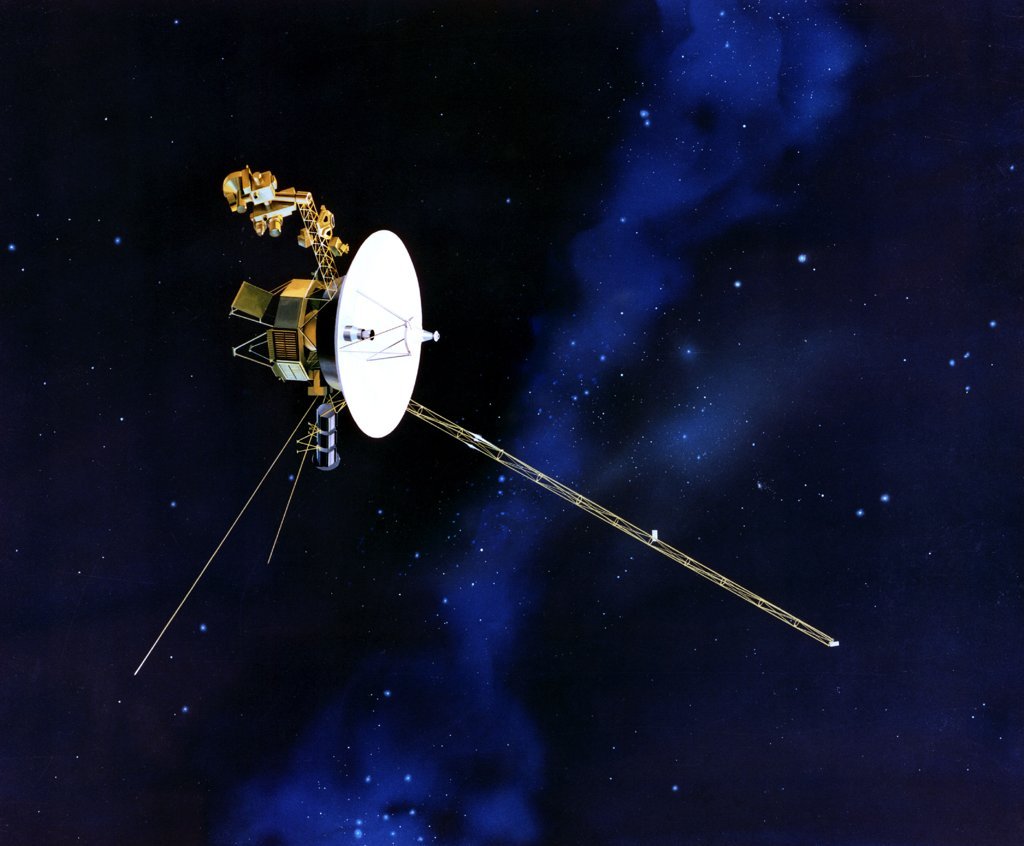
Voyager 1 was designed for a five-year mission to study Jupiter and Saturn, and it has now been traveling for almost fifty years. In 2024 it suffered a serious memory error that engineers fixed after weeks of diagnosis, and this year NASA had to run an emergency instrument shutdown after an unexpected drop in power.
How long it will keep going
Its radioisotope generators could power it into the 2030s if no major fault appears. It travels at about 61,000 kilometers per hour relative to the Sun and is headed toward the star Gliese 445 in Ursa Minor: it would pass within 1.7 light-years of it, but at that speed it would take more than 300,000 years.
At MBTECNIC we repair electronics every day, and we love that a 1977 computer still takes orders from so far away: good engineering, and care that lasts.