
Hera shows the crater on the asteroid NASA hit: stadium-sized
In short: Europe's Hera probe took a close look at what DART's impact left behind: a crater across all of Dimorphos, a moon tumbling out of control and hundreds of new boulders.
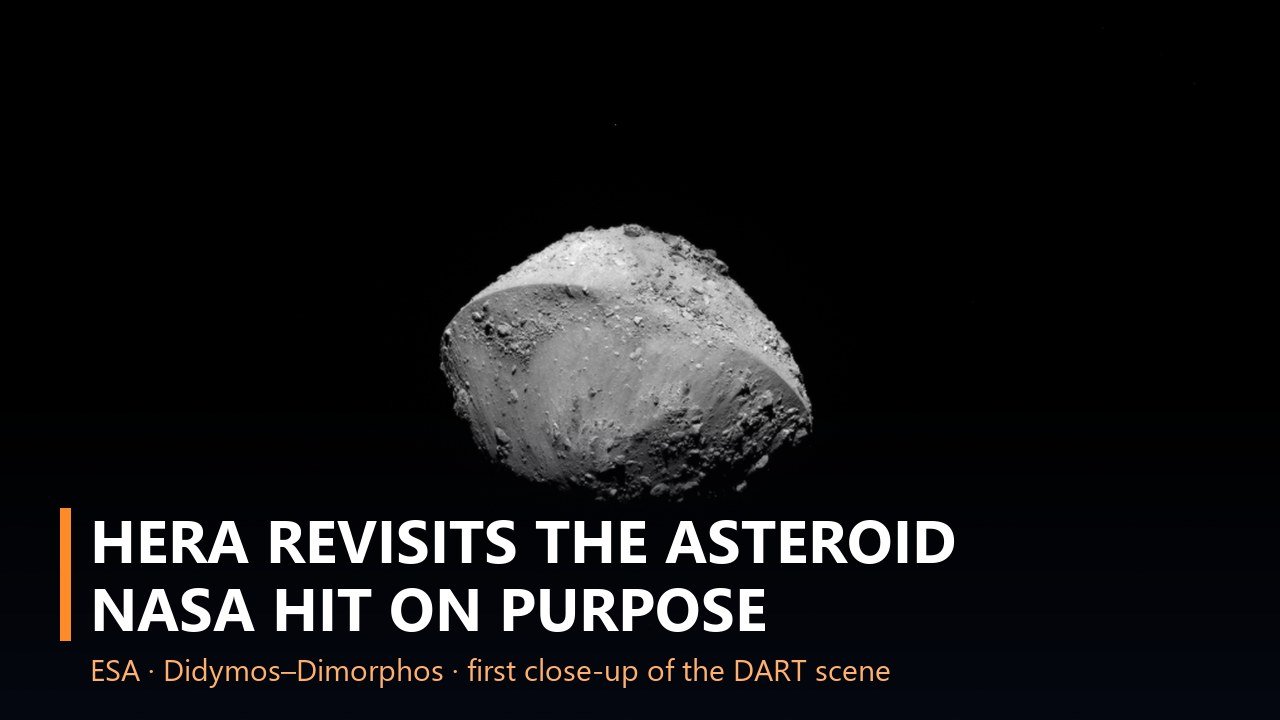
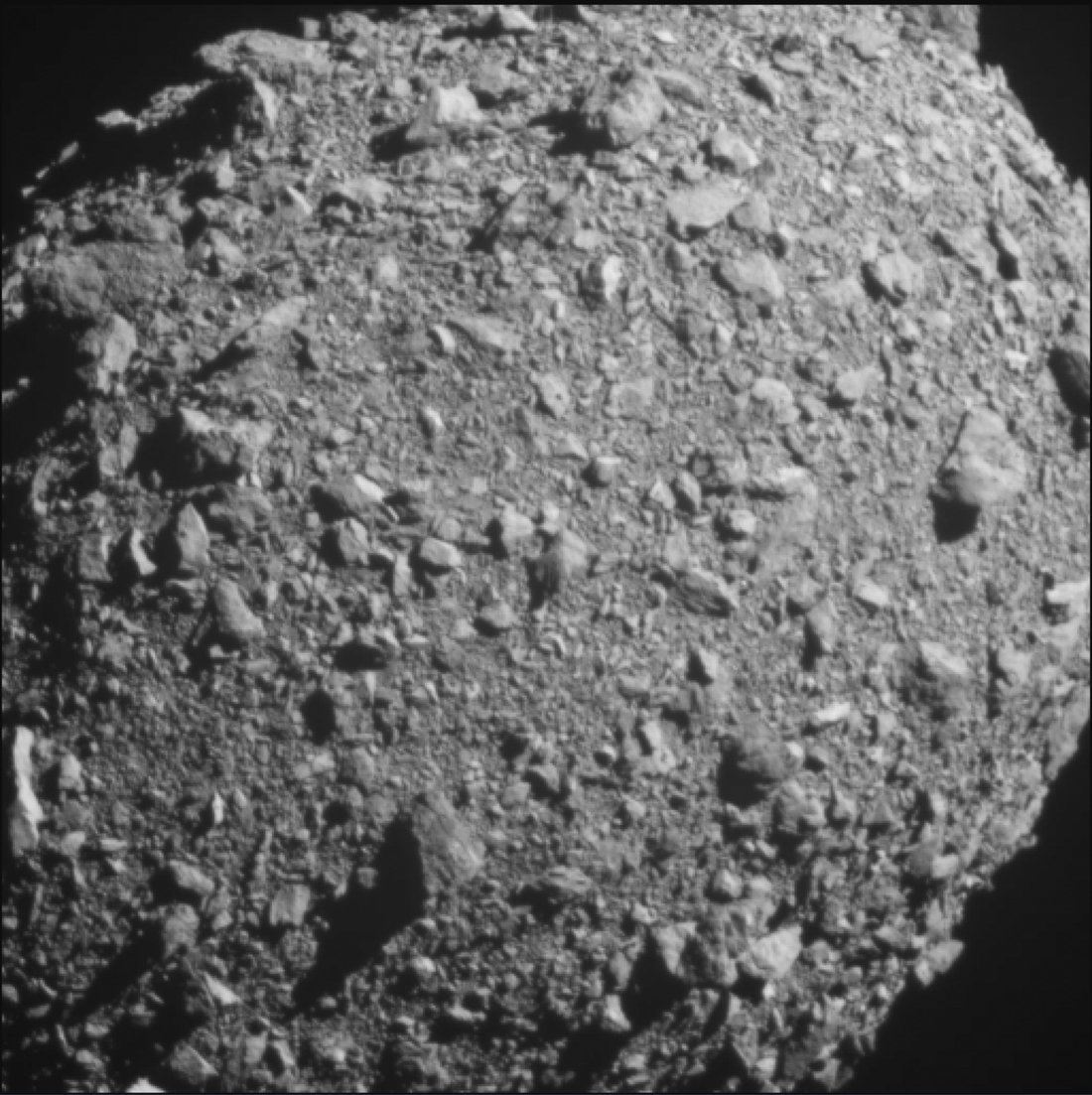
The European Space Agency (ESA) probe Hera showed the first close-up images of Dimorphos, the asteroid NASA's DART mission hit on purpose in 2022, according to Space.com. The reveal took place on November 25, and there is also an official ESA video.
What can be seen on Dimorphos?
One of its faces was flattened by a crater that runs across the asteroid's entire width. Hera's principal investigator, Patrick Michel, compared it to the size of a sports stadium. Scientists had debated whether Dimorphos had formed a crater, changed shape or stayed the same, and the answer was “all three at once.” Hera also saw that Dimorphos now tumbles chaotically and that hundreds of new boulders, a few meters across, orbit the system.

What did DART and Hera achieve?
DART hit Dimorphos on September 26, 2022, and it was already known that it shortened the moonlet's orbit around Didymos, the larger asteroid, by 33 minutes. Hera launched in October 2024 and traveled about 194 million kilometers to get there. It is now studying what happened to the asteroid itself: its mass and shape will help plan future missions to deflect dangerous asteroids.
What comes next?
Hera orbits about 30 kilometers from the asteroids and will soon move to about 13. It will then release two shoebox-sized satellites: Juventas, which will use low-frequency radar to look inside Dimorphos, a first for an asteroid, and will later try to land to measure gravity; and Milani, which will analyze the material and dust around Didymos. This data will refine how much Dimorphos weighs, a key number for knowing how well deflecting an asteroid with an impact works.
Share this story with a space fan and tell us what surprised you. Keep reading: NASA's Dragonfly drone for Titan now has its seven cameras · Astronomers detect the “final nuclear heartbeat” of a dying star · More science news.
Try these too
Keep reading
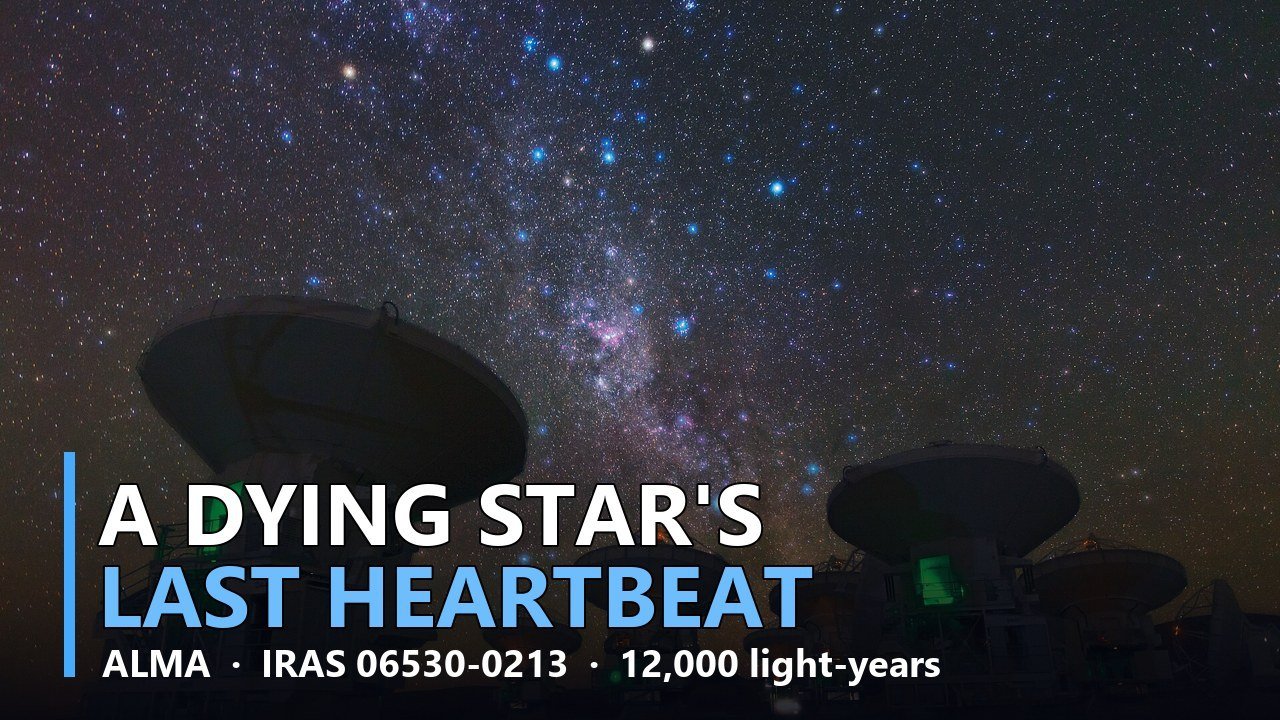
Astronomers detect the “final nuclear heartbeat” of a dying star
The ALMA radio telescope imaged a ring of gas that is the frozen record of a star's last nuclear pulse. It may change how we picture the Sun's death.

NASA's Dragonfly drone for Titan now has its seven cameras
NASA installed DragonCam, seven cameras that will be the eyes of the rotorcraft set to explore Titan, Saturn's moon. It launches in July 2028.
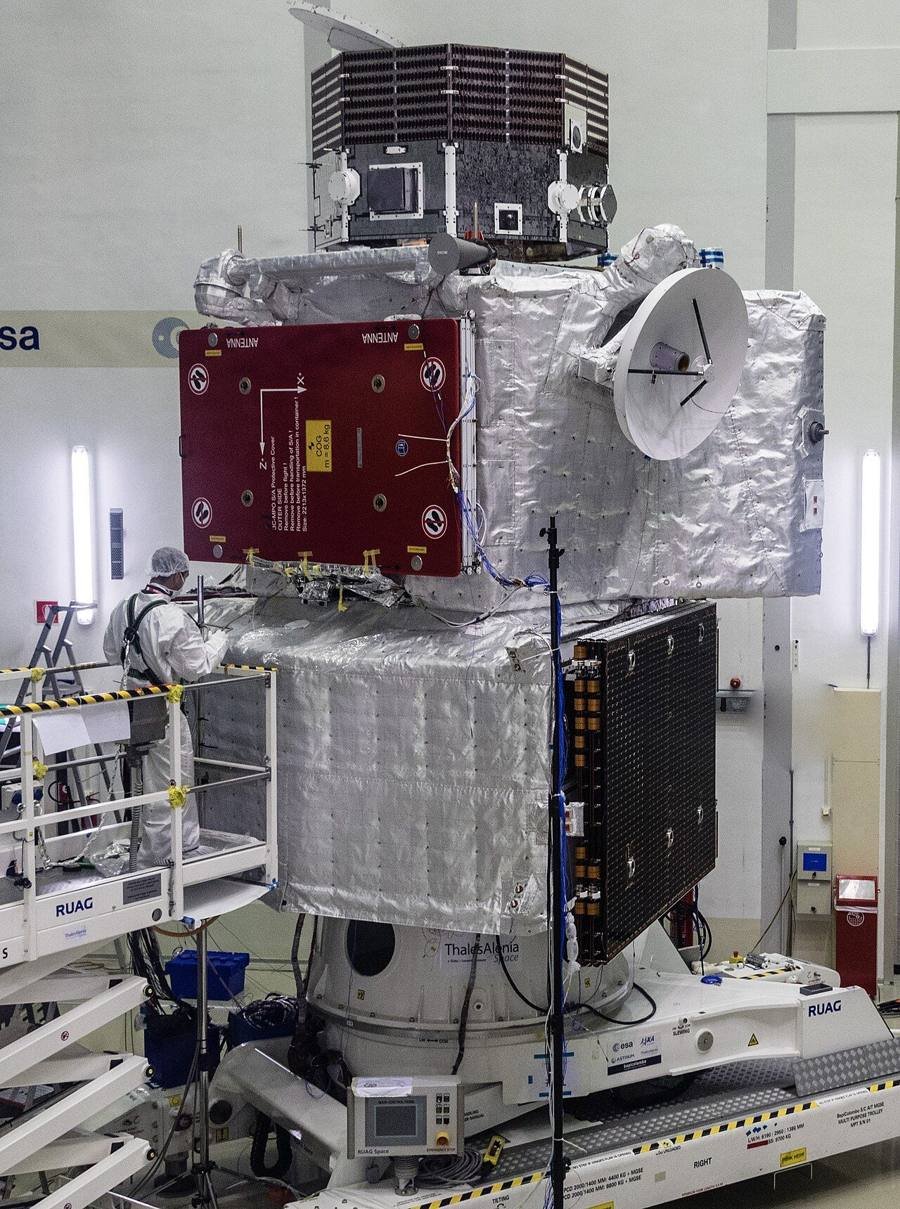
BepiColombo is now orbiting Mercury after an eight-year journey: only the second probe to do so
The ESA and JAXA mission fired its engines for 37 minutes on November 21 and entered orbit around the planet closest to the Sun. Science starts in April 2027.