Sam Altman travels to Korea to meet Samsung amid a RAM shortage
In short: OpenAI's CEO met around 50 Samsung executives as AI takes an ever larger share of the world's memory.
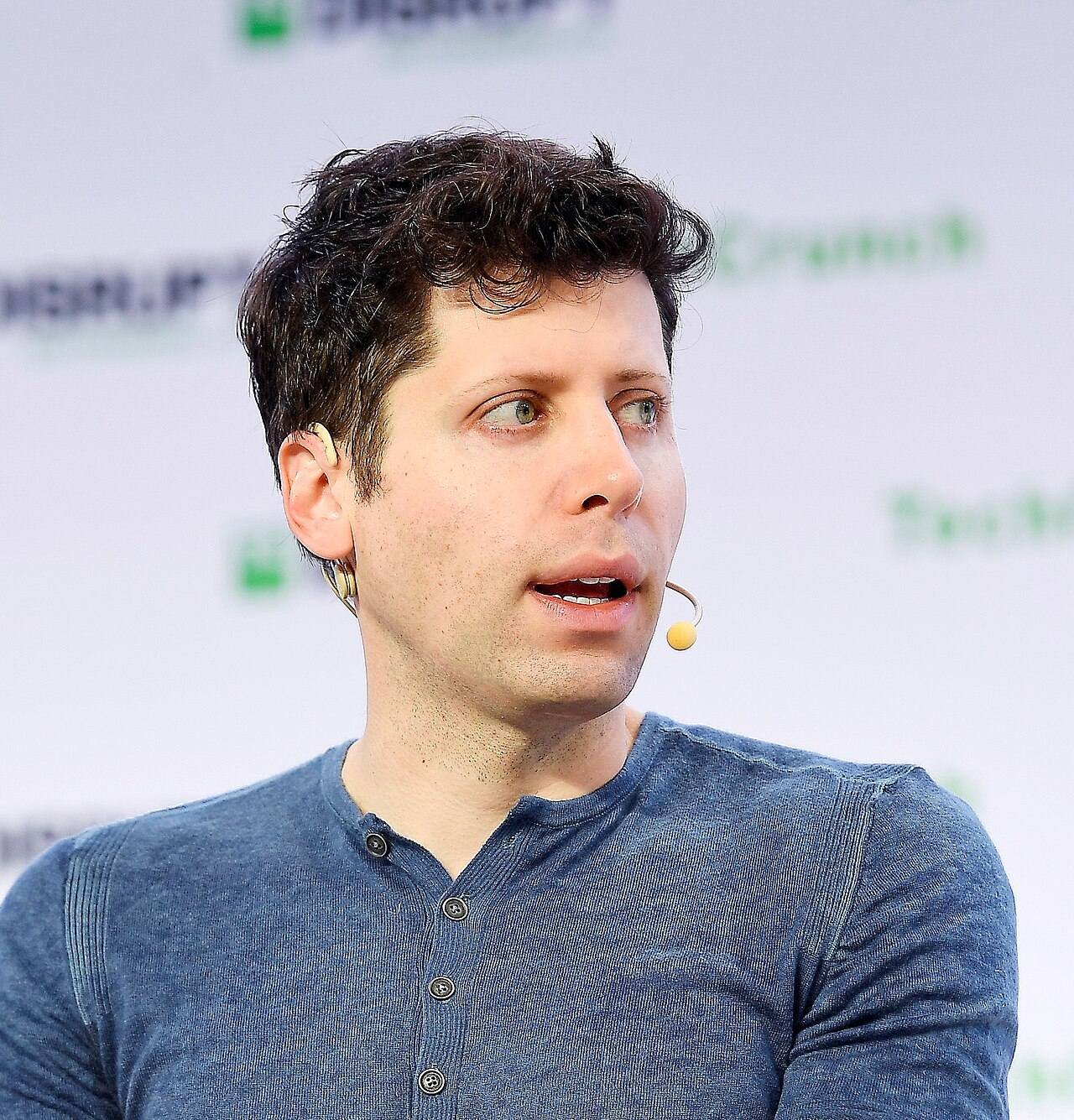
Sam Altman, OpenAI's chief executive, met around 50 senior Samsung executives in South Korea, Bloomberg reports. The meeting took place last Saturday at Samsung's training center in Yongin and brought together heads of its financial, electronics and biotech businesses.
What they discussed
Samsung confirmed the meeting and said it served to strengthen ties between the two companies, especially the letter of intent signed in October 2025 to cooperate on AI infrastructure, which includes supplying memory chips for Stargate, OpenAI's data center project.
The Korean company, however, spoke more about AI transformation and business opportunities than about a new memory deal.
Why memory is short
AI data centers compete with PCs, phones and other electronics for a limited supply of memory. TrendForce estimates DRAM supply will fall 1% to 2% short of demand this year, and that the gap will widen in 2027.
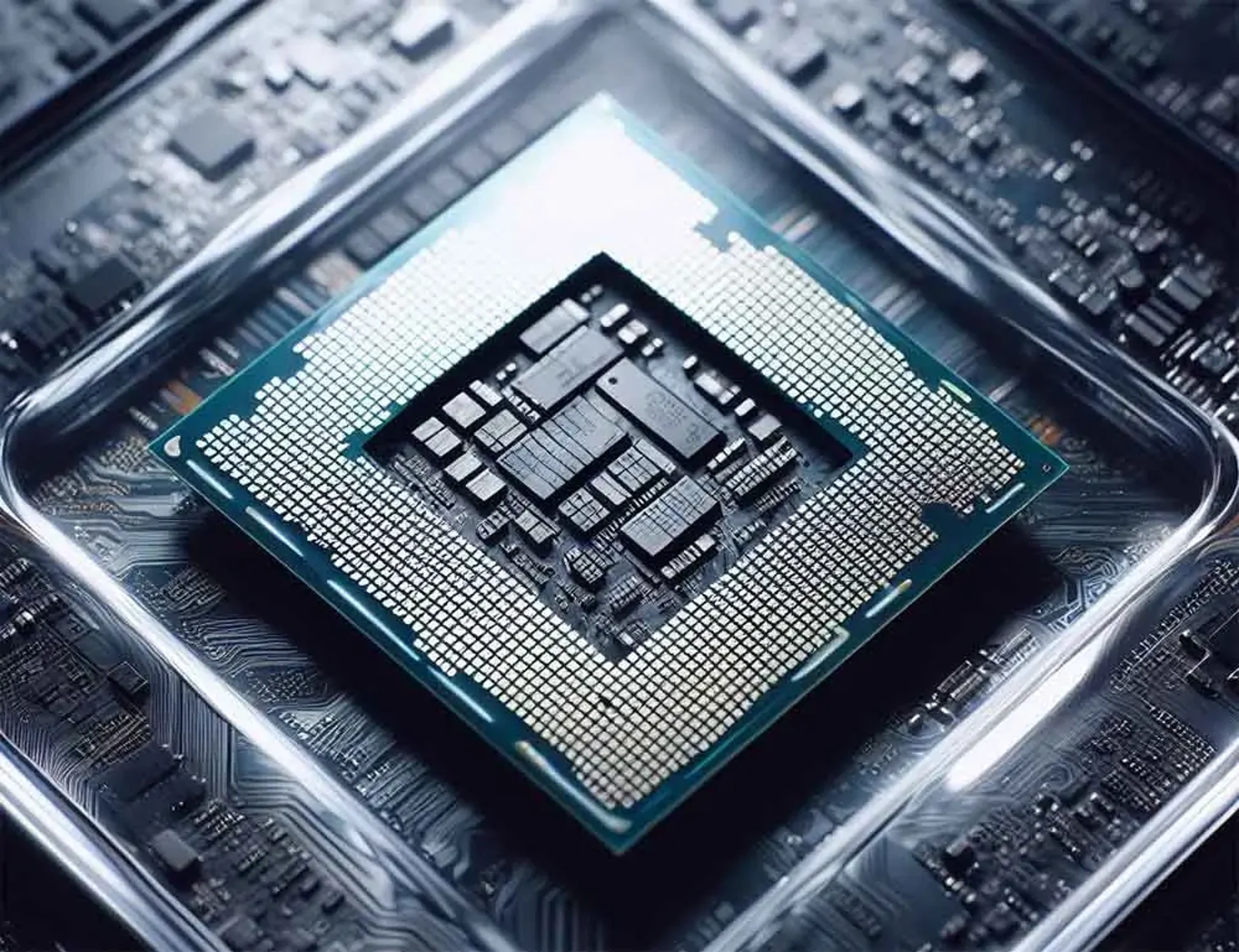
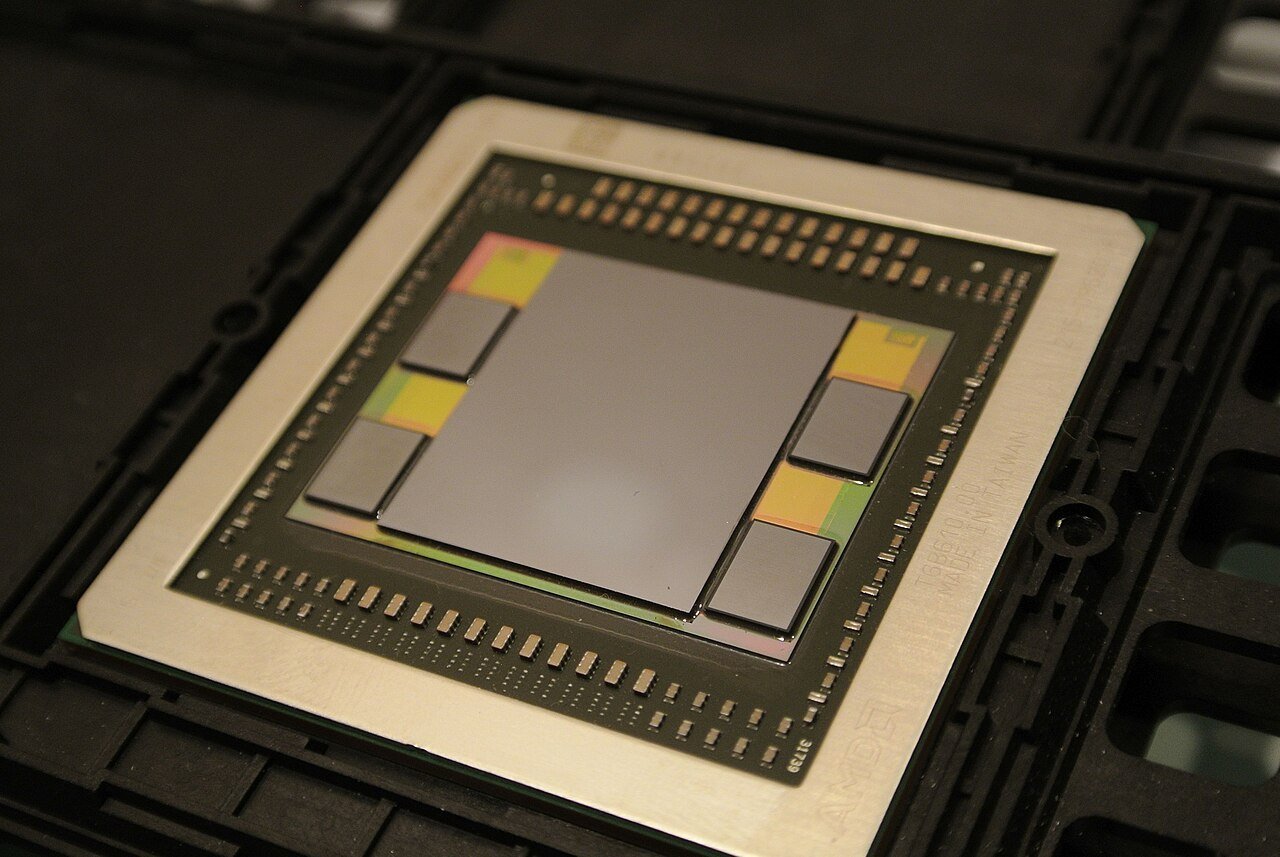
The most sought-after type is HBM, a stacked memory that sits right next to AI processors. Samsung and SK Hynix hold about 63% of global DRAM revenue and around 83% of HBM revenue, according to Counterpoint Research.
What it means for your PC
As long as AI takes most of the output, memory for PCs and laptops will stay scarce. That makes it worth getting the most out of what you already have.
At MBTECNIC we check and upgrade RAM in PCs and laptops, and tell you whether adding memory makes sense or whether optimising your machine is enough.